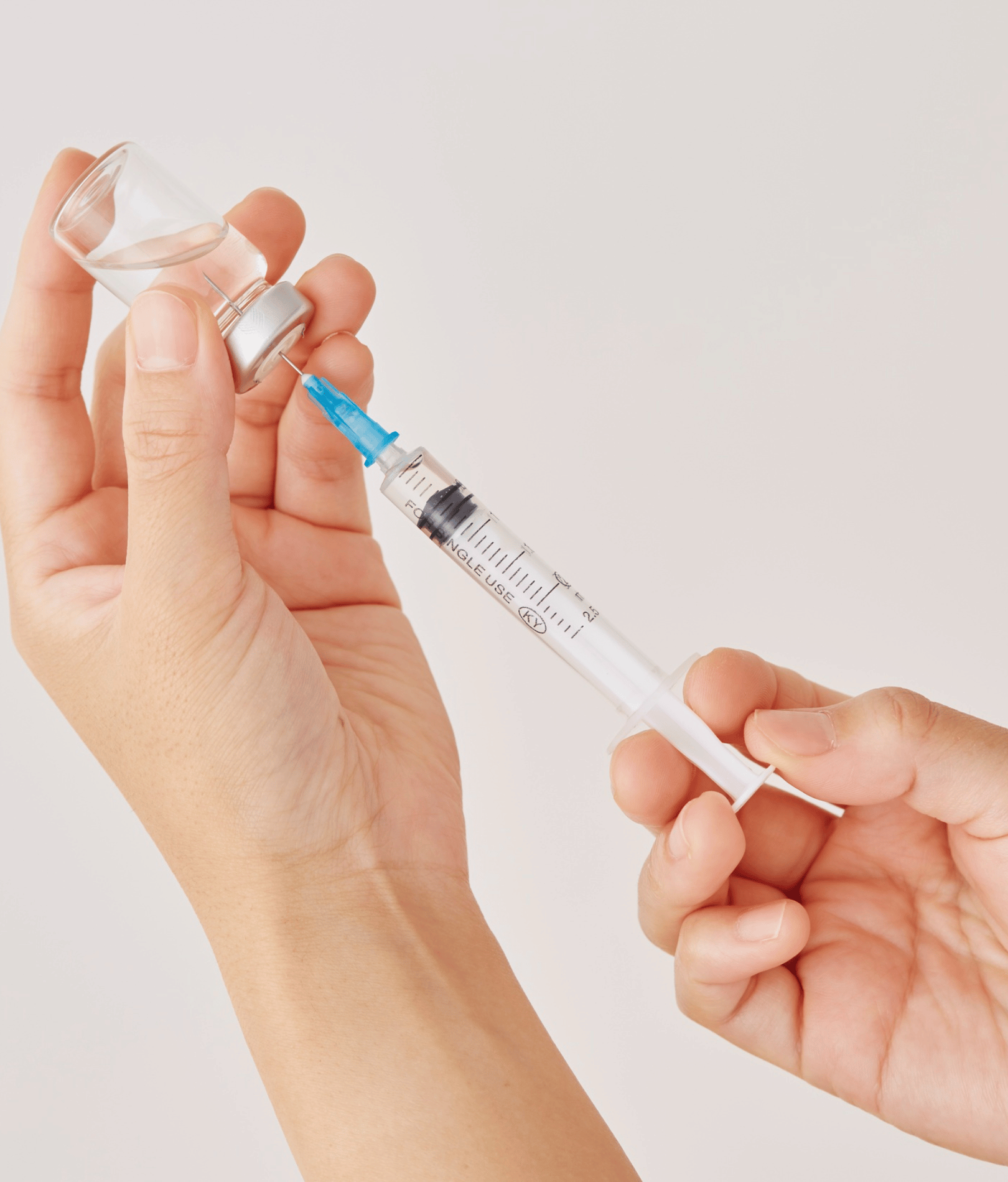
Frozen Shoulder Treatment
in Hongdae, Seoul, Korea
Frozen shoulder, medically known as adhesive capsulitis, is a condition characterized by progressive shoulder pain, stiffness, and restricted range of motion. It develops when the shoulder capsule becomes inflamed and thickened, limiting movement of the shoulder joint. Frozen shoulder commonly affects adults between 40 and 60 years of age and is more frequent in individuals with diabetes, thyroid disorders, previous shoulder injuries, or prolonged shoulder immobilization. Symptoms typically progress through painful, frozen, and recovery stages. Early diagnosis and treatment can help reduce pain, improve mobility, and shorten recovery time. In Hongdae and Seoul, Korea, orthopedic specialists, shoulder surgeons, and rehabilitation experts provide comprehensive frozen shoulder evaluations, advanced imaging, physical therapy programs, minimally invasive treatments, and personalized recovery plans for international patients.
Frozen Shoulder in Seoul & Hongdae
Frozen shoulder is one of the most common causes of chronic shoulder stiffness.
Many international patients search for:
- Frozen shoulder
- Adhesive capsulitis
- Shoulder stiffness
- Shoulder pain
- Limited shoulder movement
- Painful shoulder
- Shoulder rehabilitation
- Frozen shoulder treatment
- Shoulder specialist Seoul
- Orthopedic doctor Korea
- Shoulder MRI Seoul
- Physical therapy Korea
- Shoulder mobility exercises
- Hongdae orthopedic clinic
- Chronic shoulder pain
- Shoulder joint stiffness
Seoul offers advanced orthopedic diagnostics and specialized shoulder care.
What Is Frozen Shoulder?
Frozen shoulder is a condition in which the connective tissue surrounding the shoulder joint becomes inflamed and stiff.
This may lead to:
- Pain
- Reduced mobility
- Joint stiffness
- Difficulty performing daily activities
Over time, shoulder movement may become significantly restricted.
Common Symptoms of Frozen Shoulder
Symptoms may include:
- Shoulder pain
- Shoulder stiffness
- Limited arm movement
- Difficulty reaching overhead
- Pain while sleeping
- Difficulty dressing
- Reduced shoulder flexibility
- Pain during movement
- Restricted range of motion
- Weakness from disuse
Symptoms often develop gradually.
Stages of Frozen Shoulder
Stage 1: Freezing Stage
During the freezing stage, pain gradually increases.
Common symptoms include:
- Progressive shoulder pain
- Pain during movement
- Reduced shoulder mobility
This stage may last several months.
Stage 2: Frozen Stage
Pain may become less severe, but stiffness often worsens.
Patients may experience:
- Marked movement restriction
- Difficulty performing daily tasks
- Reduced shoulder function
Stage 3: Thawing Stage
Shoulder mobility gradually improves.
Many patients notice:
- Improved range of motion
- Reduced stiffness
- Better shoulder function
Recovery may take several months or longer.
What Causes Frozen Shoulder?
The exact cause is not always clear.
Common risk factors include:
- Diabetes
- Thyroid disorders
- Shoulder injuries
- Rotator cuff injuries
- Previous surgery
- Prolonged immobilization
- Age-related factors
Some cases develop without an obvious trigger.
Frozen Shoulder and Diabetes
Individuals with diabetes have a significantly higher risk of developing frozen shoulder.
Symptoms may be:
- More severe
- Longer lasting
- More resistant to treatment
Professional management is often recommended.
Frozen Shoulder and Shoulder Injuries
Shoulder injuries may increase the risk of adhesive capsulitis.
Examples include:
- Rotator cuff tears
- Shoulder fractures
- Shoulder dislocations
- Post-surgical recovery
Limited movement following injury may contribute to stiffness.
Frozen Shoulder and Daily Activities
Frozen shoulder may affect:
- Dressing
- Grooming
- Driving
- Sleeping
- Exercise
- Work activities
Many patients seek treatment because of significant functional limitations.
Risk Factors for Frozen Shoulder
Factors associated with increased risk include:
- Age between 40 and 60 years
- Diabetes
- Thyroid disease
- Shoulder trauma
- Surgery
- Female sex
- Prolonged inactivity
Not everyone with risk factors develops frozen shoulder.
When Should You See a Shoulder Specialist?
Professional evaluation is recommended if you experience:
- Persistent shoulder pain
- Progressive stiffness
- Reduced shoulder mobility
- Difficulty lifting the arm
- Night pain
- Functional limitations
- Symptoms lasting several weeks
- Shoulder weakness
Early diagnosis may improve recovery outcomes.
How Is Frozen Shoulder Diagnosed?
Medical History Review
Specialists evaluate:
- Symptom duration
- Pain patterns
- Shoulder function
- Medical conditions
- Previous injuries
Physical Examination
Assessment may include:
- Range of motion testing
- Shoulder mobility assessment
- Functional movement evaluation
Restricted passive and active movement is a hallmark feature.
X-Rays
X-rays may help exclude:
- Arthritis
- Fractures
- Structural abnormalities
MRI Scan
MRI may help evaluate:
- Rotator cuff injuries
- Soft tissue abnormalities
- Alternative shoulder conditions
Ultrasound Imaging
Ultrasound may assist in evaluating surrounding soft tissues and tendon structures.
Treatment Options for Frozen Shoulder
in Seoul
Treatment depends on symptom severity and disease stage.
Potential treatment options include:
- Physical therapy
- Shoulder rehabilitation
- Stretching programs
- Range-of-motion exercises
- Pain management
- Activity modification
- Injection therapies
- Minimally invasive procedures
- Surgical consultation when necessary
Treatment plans are individualized.
Physical Therapy for Frozen Shoulder
Physical therapy is often one of the most important treatment components.
Goals may include:
- Improving mobility
- Reducing stiffness
- Restoring function
- Improving flexibility
Structured rehabilitation programs may support recovery.
Can Frozen Shoulder Improve
Without Surgery?
Many cases improve through conservative treatment.
Non-surgical approaches may include:
- Physical therapy
- Home exercise programs
- Stretching routines
- Rehabilitation
- Pain management
Recovery often occurs gradually over time.
Surgery is generally reserved for severe or persistent cases.
Recovery Timeline for Frozen Shoulder
Recovery varies between individuals.
Many patients experience improvement over:
- Several months
- One to three years in some cases
Early intervention may help optimize recovery.
Preventing Shoulder Stiffness
Strategies that may help include:
- Early movement after injuries
- Physical therapy after surgery
- Regular shoulder exercises
- Maintaining flexibility
- Managing underlying medical conditions
These measures may help support shoulder health.
Why International Patients Choose Korea for Frozen Shoulder Care
Korea is recognized for:
- Advanced orthopedic diagnostics
- Experienced shoulder specialists
- Modern imaging technology
- Comprehensive rehabilitation programs
- Minimally invasive treatment options
- International patient support
- High standards of medical care
- Personalized treatment planning
Many international patients seek frozen shoulder treatment while visiting Seoul.
Who Should Seek Evaluation
for Frozen Shoulder?
You may benefit from a consultation if you experience:
- Progressive shoulder stiffness
- Limited arm movement
- Chronic shoulder pain
- Difficulty reaching overhead
- Night pain
- Reduced shoulder function
- Diabetes-related shoulder symptoms
- Persistent mobility restrictions
Professional assessment helps determine the cause and most appropriate treatment plan.
Frequently Asked Questions
What is frozen shoulder?
Frozen shoulder, or adhesive capsulitis, is a condition that causes shoulder pain, stiffness,
and progressive loss of shoulder movement.
What causes frozen shoulder?
Risk factors include diabetes, thyroid disorders, shoulder injuries, surgery, prolonged immobilization, and age-related factors.
What are the symptoms of frozen shoulder?
Symptoms may include shoulder pain, stiffness, limited arm movement, difficulty reaching overhead, and reduced shoulder mobility.
How long does frozen shoulder last?
Recovery timelines vary,
but symptoms may last several months to several years depending on the individual and treatment approach.
Is frozen shoulder common in people with diabetes?
Yes. Individuals with diabetes have a significantly increased risk of developing frozen shoulder.
How is frozen shoulder diagnosed?
Diagnosis typically involves medical history review, physical examination, range-of-motion testing, X-rays, MRI imaging,
and other assessments when necessary.
Can frozen shoulder improve without surgery?
Many cases improve through physical therapy, rehabilitation, stretching programs, and conservative treatment.
Is physical therapy important for frozen shoulder?
Yes. Physical therapy is often a central component of treatment and may help improve mobility and function.
Can frozen shoulder come back?
Recurrence is uncommon but may occur in some individuals. The opposite shoulder may occasionally become affected.
Why do international patients seek frozen shoulder treatment in Seoul?
Seoul offers advanced diagnostics, experienced shoulder specialists, comprehensive rehabilitation programs,
and modern orthopedic care.
How much does frozen shoulder treatment cost in Seoul?
Costs vary depending on consultations, imaging studies, rehabilitation programs, injections, and treatment complexity.
Is Hongdae convenient for international patients?
Yes. Hongdae provides access to orthopedic clinics, shoulder specialists, rehabilitation centers, hospitals,
and international healthcare services.