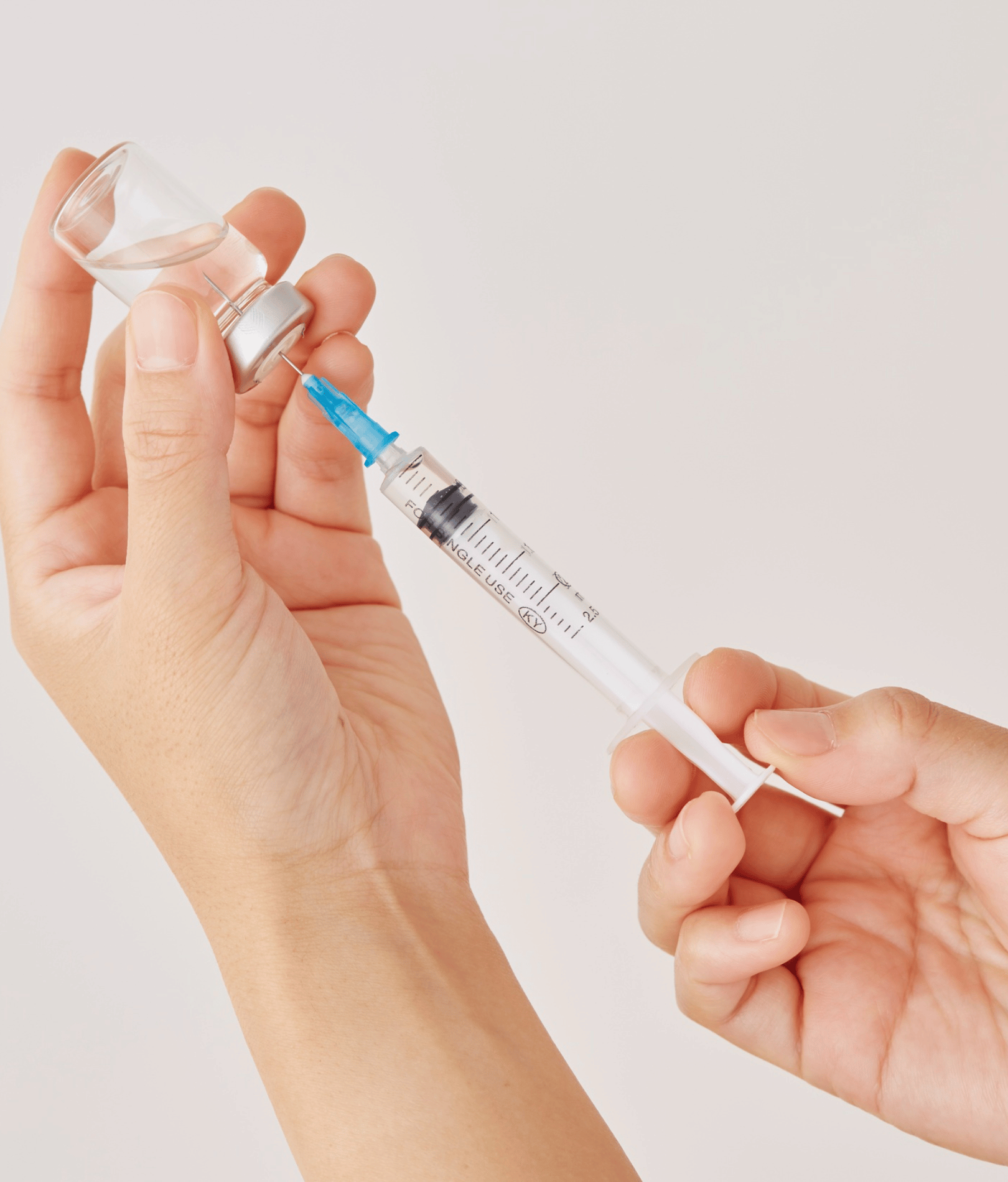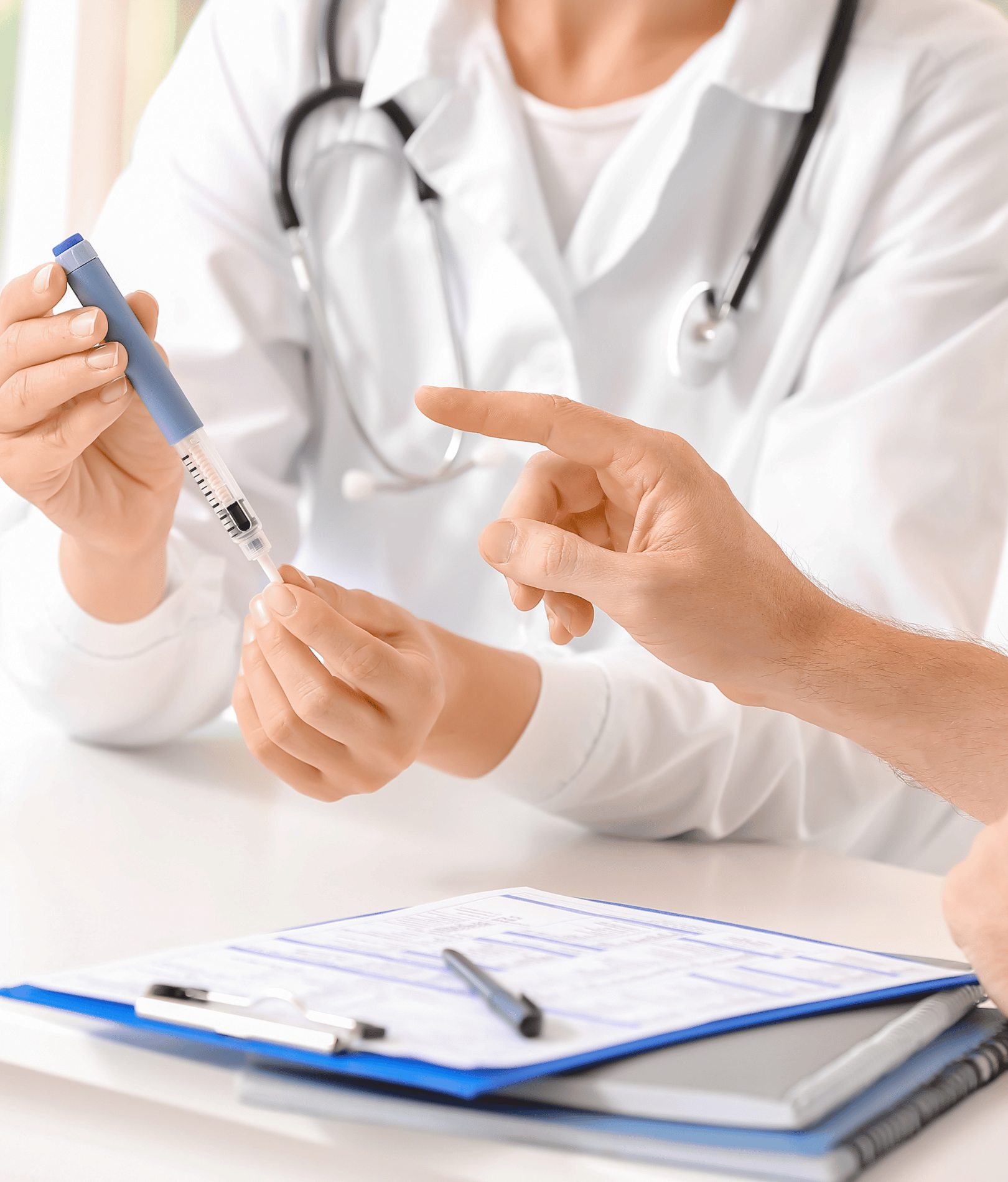
Skin Biopsy in Hongdae, Seoul, Korea
Skin Biopsy in Hongdae, Seoul, Korea is a minor in-office procedure used to diagnose skin diseases, suspicious moles, skin cancer, chronic rashes, infections, inflammatory skin conditions, and unusual skin growths. During the procedure, a dermatologist removes a small sample of skin that is examined under a microscope by a pathologist. Depending on the skin condition, dermatologists may perform a shave biopsy, punch biopsy, or excisional biopsy. Dermatology clinics throughout Seoul provide safe, minimally invasive skin biopsy procedures with local anesthesia and personalized follow-up care for both Korean and international patients. A skin biopsy is often the most accurate way to diagnose many skin disorders that cannot be identified by examination alone.
What Is a Skin Biopsy?
A skin biopsy is a diagnostic procedure in which a small sample of skin is removed for microscopic examination.
A biopsy may be recommended to evaluate:
- Suspicious moles
- Possible skin cancer
- Persistent rashes
- Chronic eczema
- Psoriasis
- Autoimmune skin diseases
- Skin infections
- Unexplained skin lesions
- Pigmented lesions
- Blistering skin disorders
The tissue sample is sent to a pathology laboratory, where it is examined to establish an accurate diagnosis and guide treatment.
Types of Skin Biopsy
Depending on the skin lesion, your dermatologist may recommend one of the following:
Shave Biopsy
Often recommended for:
- Raised skin lesions
- Superficial growths
- Seborrheic keratoses
- Selected basal cell carcinomas
- Benign skin growths
Stitches are usually not required.
Punch Biopsy
Often recommended for:
- Chronic rashes
- Inflammatory skin diseases
- Autoimmune disorders
- Deeper skin lesions
- Suspicious pigmented lesions
A circular instrument removes a full-thickness sample of skin. Small stitches are often required.
Excisional Biopsy
Often recommended for:
- Suspicious moles
- Melanoma evaluation
- Large skin tumors
- Deep skin lesions
- Complete removal of small lesions
This technique removes the entire lesion along with a small margin of surrounding skin and typically requires stitches.
Conditions That May Require a Skin Biopsy
Dermatologists commonly perform biopsies for:
- Suspicious moles
- Melanoma evaluation
- Basal cell carcinoma
- Squamous cell carcinoma
- Chronic eczema
- Psoriasis
- Lupus
- Blistering diseases
- Chronic skin infections
- Persistent unexplained rashes
- Unusual skin growths
Benefits of a Skin Biopsy
Potential benefits include:
- Accurate diagnosis
- Early detection of skin cancer
- Appropriate treatment planning
- Confirmation of inflammatory skin diseases
- Identification of infections
- Peace of mind
- Personalized medical care
Skin Biopsy vs Mole Removal
Skin Biopsy
Often recommended for:
- Establishing a diagnosis
- Suspicious skin lesions
- Chronic rashes
- Skin diseases
- Cancer evaluation
Cosmetic Mole Removal
Often recommended for:
- Benign cosmetic moles
- Skin tags
- Cosmetic improvement
If there is concern for skin cancer, a diagnostic biopsy is preferred over cosmetic removal because the tissue can be examined under a microscope.
What Happens During the Procedure?
The procedure generally includes:
- Dermatology consultation
- Skin examination
- Cleansing of the treatment area
- Local anesthetic injection
- Skin biopsy
- Dressing or stitches (if needed)
- Aftercare instructions
Most skin biopsies take approximately 15–30 minutes and are performed under local anesthesia in the clinic.
Recovery After a Skin Biopsy
Recovery depends on the biopsy type and location.
Temporary effects may include:
- Mild soreness
- Small amount of bleeding
- Redness
- Bruising
- Scab formation
- Mild swelling
Most patients return to normal daily activities immediately or the following day.
If stitches are placed, they are generally removed within 7–14 days depending on the biopsy site.
When Will I Receive My Results?
Biopsy specimens are examined by a pathology laboratory.
Results are commonly available within several days to two weeks, depending on the complexity of the analysis and whether additional testing is required.
Your dermatologist will explain the diagnosis and discuss any further treatment if necessary.
Estimated Cost in Seoul
Treatment costs vary depending on:
- Type of biopsy
- Size of the lesion
- Body location
- Pathology examination
- Complexity of the procedure
A personalized treatment plan and quotation are provided after consultation.
Who Is a Good Candidate?
A skin biopsy may be appropriate for individuals who:
- Have a changing mole
- Have an unexplained skin rash
- Have a suspicious skin lesion
- Need confirmation of a skin disease
- Have persistent skin symptoms
- Require evaluation before treatment
Frequently Asked Questions
Why would I need a skin biopsy?
A skin biopsy helps diagnose conditions that cannot be confirmed through visual examination alone, including skin cancer, inflammatory skin diseases, infections, and unusual skin growths.
Is a skin biopsy painful?
The area is numbed with local anesthesia before the biopsy, so most patients experience only minor discomfort from the anesthetic injection.
Will I have a scar?
A small scar is possible after any skin biopsy. The size depends on the biopsy type, location, and individual healing. Proper wound care helps minimize visible scarring.
How long does a skin biopsy take?
Most skin biopsies are completed within 15–30 minutes during a routine outpatient visit.
When will I get my biopsy results?
Results are typically available within several days to two weeks, depending on the pathology evaluation required.
Can a biopsy diagnose skin cancer?
Yes. A skin biopsy is the definitive method for diagnosing or ruling out skin cancers such as basal cell carcinoma, squamous cell carcinoma, and melanoma.
Is Skin Biopsy available for international patients in Seoul?
Yes. Dermatology clinics in Hongdae and Seoul provide skin biopsy procedures, pathology evaluation, and follow-up care for international patients.