PRP Rejuvenation in Hongdae, Seoul, Korea
PRP Rejuvenation in Hongdae, Seoul, Korea is a regenerative treatment that uses platelet-rich plasma prepared from the patient’s own blood to support collagen production, skin repair, elasticity, texture, and overall skin quality. Also known as a vampire facial or platelet-rich plasma skin treatment, PRP may be injected directly into the skin or combined with microneedling, laser treatment, or other rejuvenation procedures. Dermatology clinics throughout Seoul offer customized PRP programs for international patients seeking natural skin regeneration, acne-scar improvement, fine-line reduction, and healthier-looking skin with limited downtime.
What Is PRP Rejuvenation?
PRP stands for platelet-rich plasma.
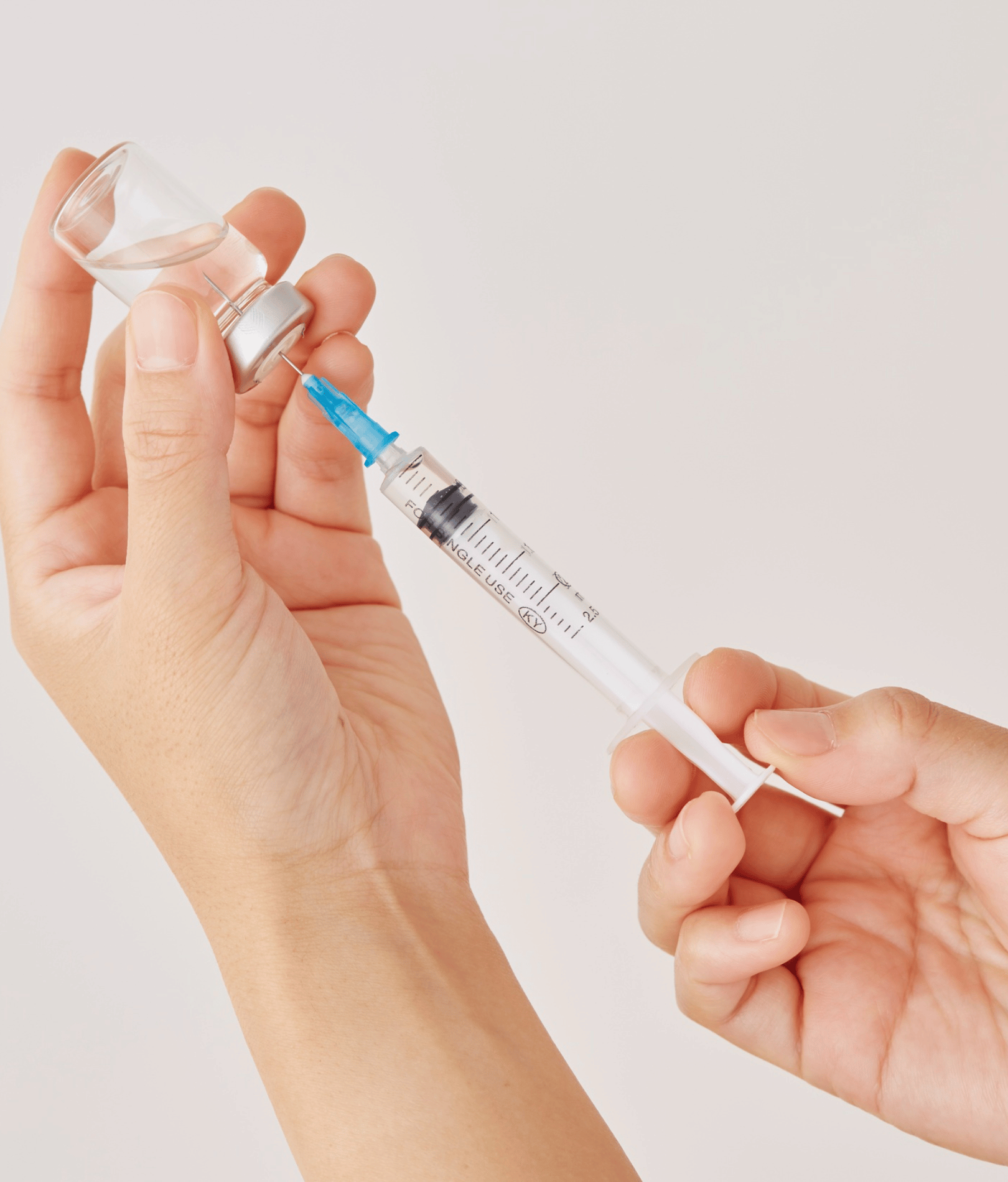
It is prepared by drawing a small amount of the patient’s blood and separating the platelet-rich portion using a centrifuge.
PRP rejuvenation is commonly used for:
- Fine lines
- Dull skin
- Reduced elasticity
- Uneven skin texture
- Enlarged pores
- Acne scars
- Thin or aging skin
- Under-eye skin quality
- Skin recovery
- Overall facial rejuvenation
Because PRP is prepared from the patient’s own blood, it does not add synthetic filler material to the face.
How PRP Rejuvenation Works
Platelets contain growth factors involved in tissue repair and regeneration.
After PRP is introduced into the skin, it may help:
- Support collagen production
- Improve skin elasticity
- Promote skin repair
- Improve skin texture
- Support wound healing
- Increase skin firmness
- Improve overall skin quality
Results develop gradually as the skin responds to the treatment.
What Makes PRP Different?
PRP is considered an autologous regenerative treatment because it uses material derived from the patient’s own blood.
Characteristics include:
- Patient-derived platelet-rich plasma
- No synthetic volumizing gel
- Natural regenerative approach
- Collagen support
- Skin-repair benefits
- Compatibility with combination treatments
- Limited downtime for many patients
The exact concentration and preparation method may vary between clinics.
PRP for Fine Lines
PRP may be used for early signs of facial aging.
Potential benefits include:
- Softer fine lines
- Improved skin elasticity
- Better skin firmness
- Smoother skin texture
- More refreshed appearance
Dynamic wrinkles caused by facial movement may still require Botox.
PRP for Acne Scars
PRP is commonly combined with acne-scar procedures.
It may support improvement in:
- Shallow atrophic acne scars
- Uneven texture
- Post-procedure healing
- Collagen remodeling
- Overall scar appearance
PRP may be combined with:
- Microneedling
- RF microneedling
- Fractional laser
- Subcision
- TCA CROSS
- Scar-focused injections
Deeper scars usually require a customized combination plan.
PRP for Enlarged Pores
PRP may help improve skin quality and elasticity around visible pores.
Potential benefits include:
- More refined-looking pores
- Smoother texture
- Better firmness
- Improved skin clarity
- Healthier-looking skin
Results are gradual and usually require multiple sessions.
PRP for Under-Eye Rejuvenation
PRP may be used around the eyes for selected patients.
Treatment may help improve:
- Fine under-eye lines
- Thin-looking skin
- Crepey texture
- Tired appearance
- Reduced elasticity
PRP does not directly replace significant volume loss like under-eye filler.
Patients with deep tear troughs, pigmentation, or prominent eye bags may require additional treatment.
PRP for Skin Recovery
PRP is often used after procedures that create controlled skin injury.
Potential benefits may include:
- Faster-looking recovery
- Reduced post-treatment dryness
- Support for skin repair
- Improved collagen remodeling
- Better overall treatment response
Treatment suitability depends on the procedure performed and the patient’s skin condition.
PRP Injection vs PRP Microneedling
PRP Injection
PRP is injected directly into selected areas.
Often used for:
- Fine lines
- Localized skin rejuvenation
- Acne scars
- Under-eye skin
- Targeted collagen support
PRP Microneedling
Microneedling creates small channels in the skin before PRP is applied or introduced.
Often used for:
- Enlarged pores
- Rough texture
- Acne scars
- Overall facial rejuvenation
- Collagen stimulation
Some treatment plans combine both techniques.
PRP vs Rejuran Healer
PRP
Focuses on:
- Patient-derived growth factors
- Natural tissue repair
- Collagen support
- Combination with microneedling or laser
- Autologous regeneration
Rejuran Healer
Focuses on:
- PN skin regeneration
- Skin-barrier support
- Enlarged pores
- Elasticity
- Overall skin quality
The choice depends on the patient’s goals, skin condition, and treatment preference.
PRP vs Juvelook
PRP
Often used for:
- Natural skin regeneration
- Skin recovery
- Fine lines
- Acne scars
- Collagen support
Juvelook
Often used for:
- PDLLA collagen stimulation
- Enlarged pores
- Shallow acne scars
- Fine lines
- Progressive texture improvement
Some patients combine regenerative treatments with collagen stimulators under medical guidance.
PRP vs Hyaluronic Acid Skin Boosters
PRP
Focuses on:
- Growth-factor support
- Skin repair
- Collagen stimulation
- Natural regeneration
Hyaluronic Acid Skin Boosters
Focus on:
- Hydration
- Moisture retention
- Skin smoothness
- Radiance
- Fine dehydration lines
PRP may be preferred by patients seeking a treatment prepared from their own blood, while HA skin boosters focus more directly on hydration.
Combination Treatments with PRP
PRP may be combined with:
- Microneedling
- RF microneedling
- Fractional laser
- Pico fractional laser
- Subcision
- Rejuran
- Juvelook
- Skin boosters
- Botox
- Dermal fillers
- LDM treatment
- LED therapy
- Medical skincare
Combination plans are customized following skin assessment.
What Happens During PRP Treatment?
Consultation
Patients typically receive:
- Skin analysis
- Medical-history review
- Medication review
- Acne-scar assessment
- Treatment-area evaluation
- Personalized treatment planning
Blood Collection and Preparation
A small amount of blood is drawn and placed into a centrifuge.
The platelet-rich portion is then separated for treatment.
Treatment
Depending on the treatment plan, PRP may be:
- Injected into the skin
- Applied after microneedling
- Used with RF microneedling
- Applied following fractional laser
- Combined with targeted scar treatment
Topical numbing cream is usually applied when injections or microneedling are performed.
Most appointments take approximately 45–90 minutes, including preparation and numbing time.
Recovery After PRP Rejuvenation
Recovery depends on how PRP is delivered and whether it is combined with another procedure.
Temporary effects may include:
- Redness
- Swelling
- Tenderness
- Small injection marks
- Mild bruising
- Dryness
- Temporary sensitivity
- Pinpoint bleeding after microneedling
Most patients return to normal activities within a short period, although redness may last longer after combination treatment.
PRP Results Timeline
Early Results
Patients may notice:
- Improved hydration
- Fresher-looking skin
- Smoother texture
- Better skin radiance
Progressive Results
As collagen remodeling develops, patients may experience:
- Improved elasticity
- Firmer skin
- Softer fine lines
- Better acne-scar appearance
- More refined texture
- Healthier-looking skin
Results usually develop over several weeks to months.
How Many PRP Sessions Are Recommended?
The number of sessions depends on:
- Skin condition
- Treatment goals
- Acne-scar severity
- Treatment method
- Combination procedures
- Individual healing response
Many patients receive approximately three initial sessions spaced several weeks apart.
Maintenance treatments may be recommended depending on the desired result.
How Long Do PRP Results Last?
PRP results are not permanent.
Longevity depends on:
- Age
- Skin condition
- Number of sessions
- Lifestyle
- Sun exposure
- Smoking
- Skincare routine
- Combination treatments
- Individual collagen response
Maintenance treatment may help preserve skin-quality improvements.
Estimated PRP Rejuvenation Cost in Seoul
Treatment costs vary depending on:
- PRP preparation system
- Number of tubes collected
- Treatment area
- Injection or microneedling method
- Combination procedures
- Number of sessions
- Clinic expertise
- Aftercare included
Most clinics provide customized pricing after consultation.
Who Is a Good Candidate for PRP?
PRP rejuvenation may be suitable for individuals who:
- Have fine lines
- Have enlarged pores
- Have acne scars
- Have dull skin
- Have rough texture
- Want natural regeneration
- Prefer a treatment prepared from their own blood
- Want collagen support
- Prefer limited downtime
A medical provider should determine suitability after reviewing the patient’s health and treatment goals.
Who May Not Be Suitable for PRP?
PRP may need to be delayed or avoided for patients with:
- Active infection
- Severe anemia
- Certain platelet disorders
- Blood-clotting conditions
- Uncontrolled medical conditions
- Active skin inflammation
- Certain medications affecting blood function
- Pregnancy or breastfeeding, depending on clinic policy
Patients should disclose all medical conditions, supplements, and medications before treatment.
Why PRP Rejuvenation Is Popular in Seoul
PRP rejuvenation is popular in Seoul because it can be used alone or combined with many Korean dermatology treatments.
Advantages include:
- Patient-derived regenerative material
- Collagen and skin-repair support
- Compatibility with acne-scar treatment
- Minimal facial volume change
- Customizable treatment methods
- Combination with lasers and microneedling
- Limited downtime for many patients
- International patient support
Many international patients visit Hongdae and Seoul for PRP as part of personalized skin-rejuvenation, acne-scar, and anti-aging programs.
Frequently Asked Questions
What is PRP rejuvenation?
PRP rejuvenation is a regenerative treatment that uses platelet-rich plasma prepared from the patient’s own blood to support collagen production, skin repair, elasticity, and overall skin quality.
Is PRP the same as a vampire facial?
A vampire facial generally refers to PRP combined with microneedling. PRP may also be injected directly into the skin without microneedling.
Does PRP help acne scars?
PRP may support collagen remodeling and improve shallow acne scars, particularly when combined with subcision, microneedling, RF microneedling, or fractional laser.
Does PRP add facial volume?
PRP is not a traditional volumizing filler. It primarily supports regeneration and collagen production rather than creating immediate structural volume.
How many PRP sessions are needed?
Many patients receive approximately three initial sessions spaced several weeks apart. The recommended schedule depends on the treatment concern and individual response.
When will I see PRP results?
Some patients notice improved hydration or radiance earlier, while collagen-related improvements usually develop over several weeks or months.
Is PRP painful?
Blood collection causes brief discomfort, and injections or microneedling may cause mild stinging or pressure. Topical numbing cream is usually applied before skin treatment.
Is there downtime after PRP?
Downtime is generally limited. Redness, swelling, bruising, sensitivity, or small injection marks may occur temporarily.
Can PRP be combined with laser treatment?
Yes. PRP is frequently combined with fractional laser, microneedling, RF microneedling, and acne-scar procedures to support skin repair and collagen remodeling.
Is PRP rejuvenation available for international patients in Seoul?
Yes. Many dermatology clinics in Hongdae and Seoul provide PRP skin-rejuvenation and acne-scar treatment programs for international patients.