PRP Therapy in Hongdae, Seoul, Korea
PRP therapy in Hongdae, Seoul, Korea is a regenerative dermatology treatment that uses platelet-rich plasma derived from a patient's own blood to support collagen production, skin repair, acne scar improvement, and skin rejuvenation. PRP contains concentrated platelets and growth factors that may promote tissue regeneration and enhance healing responses within the skin. Dermatology clinics throughout Seoul commonly combine PRP therapy with microneedling, RF microneedling, laser resurfacing, and acne scar revision procedures to improve skin texture, support recovery, and optimize treatment outcomes. Many international patients choose Korea for PRP therapy because of advanced regenerative medicine techniques, personalized treatment plans, and comprehensive acne scar management programs.
What Is PRP Therapy?
PRP stands for Platelet-Rich Plasma.
PRP therapy uses a concentrated portion of a patient's own blood that contains a high concentration of platelets and growth factors.
These growth factors may help support:
- Collagen production
- Tissue regeneration
- Skin repair
- Wound healing
- Skin rejuvenation
- Acne scar remodeling
PRP therapy is commonly used in dermatology and aesthetic medicine throughout Hongdae and Seoul.
How PRP Therapy Works
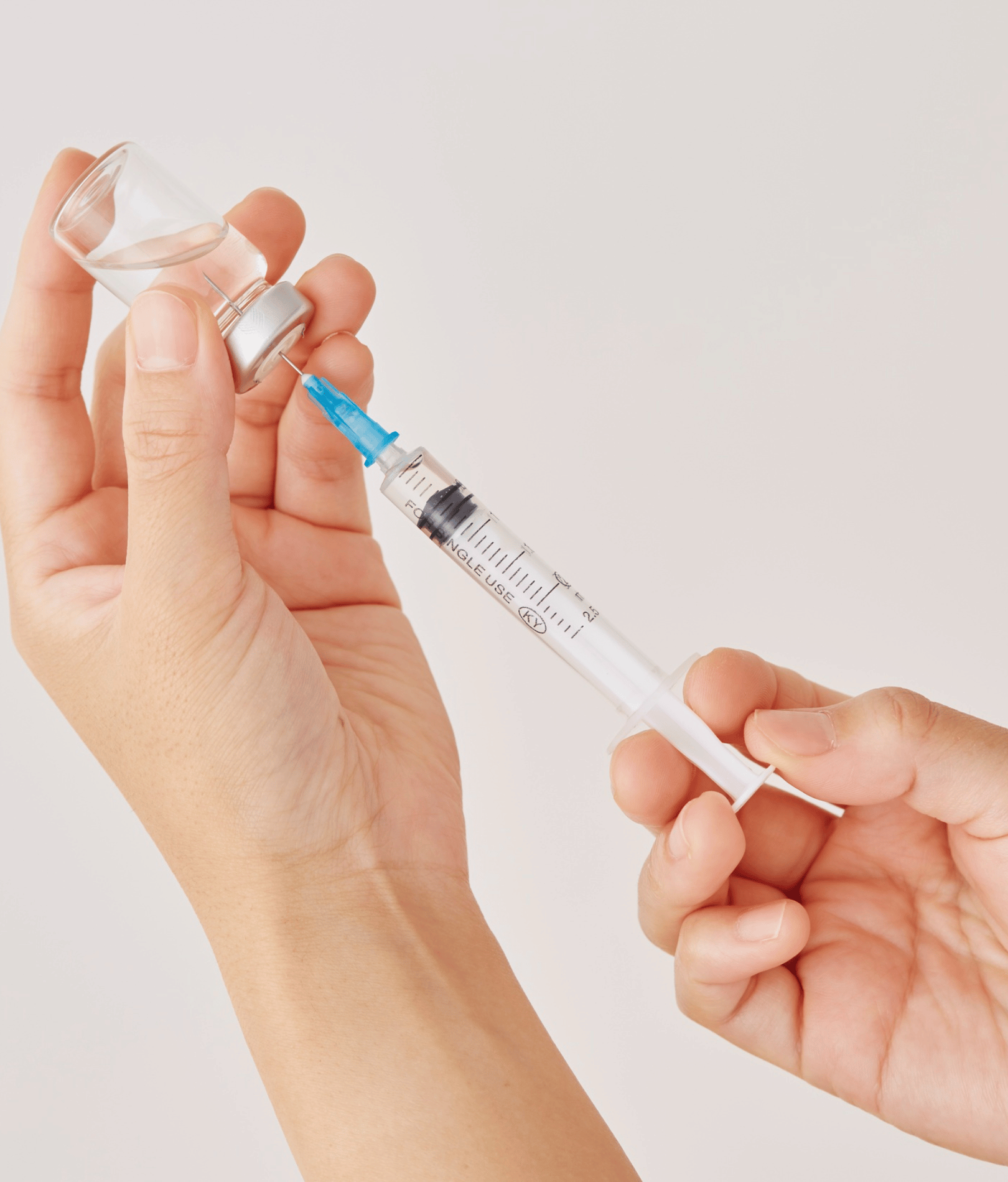
The treatment begins with a small blood draw.
The blood is processed using a centrifuge to separate platelet-rich plasma from other blood components.
The resulting PRP contains:
- Platelets
- Growth factors
- Bioactive proteins
- Regenerative signaling molecules
PRP is then applied or delivered into the skin to help support natural healing and tissue regeneration.
PRP Therapy for Acne Scars
Acne scar treatment is one of the most common applications of PRP therapy.
Potential benefits may include:
- Enhanced collagen production
- Improved skin repair
- Scar remodeling support
- Improved skin texture
- Enhanced treatment recovery
PRP is often incorporated into acne scar treatment plans involving:
- Microneedling
- RF microneedling
- Fractional laser resurfacing
- Subcision
- TCA CROSS
Many dermatologists use PRP as an adjunctive treatment rather than a standalone acne scar procedure.
PRP Therapy for Skin Rejuvenation
PRP therapy is frequently used for skin rejuvenation and anti-aging treatments.
Potential benefits may include:
- Improved skin quality
- Enhanced skin texture
- Better skin elasticity
- Increased skin radiance
- Fine line improvement
- Collagen stimulation
Many patients pursue PRP therapy as part of preventative skin maintenance programs.
PRP Therapy for Skin Repair
PRP may help support skin recovery after aesthetic procedures.
Common post-treatment applications include:
- Laser resurfacing recovery
- Microneedling recovery
- RF microneedling recovery
- Acne scar treatment recovery
Potential goals include:
- Supporting tissue repair
- Enhancing healing responses
- Improving treatment outcomes
- Promoting skin regeneration
PRP Therapy for Enlarged Pores and Texture Concerns
Patients with acne-prone skin often develop:
- Enlarged pores
- Rough skin texture
- Post-acne skin changes
PRP may help support:
- Skin texture improvement
- Collagen remodeling
- Pore refinement
- Overall skin quality
Results vary depending on individual skin condition and accompanying procedures.
Benefits of PRP Therapy
Potential benefits may include:
- Support for collagen production
- Acne scar treatment enhancement
- Improved skin texture
- Enhanced skin quality
- Natural regenerative effects
- Skin rejuvenation
- Improved treatment recovery
- Long-term skin remodeling support
Many patients appreciate that PRP utilizes their own biological material.
PRP Therapy Combined with Other Treatments
Combination therapy is extremely common in Seoul dermatology clinics.
Microneedling with PRP
Often called PRP microneedling.
Potential benefits include:
- Enhanced collagen stimulation
- Improved skin repair
- Better treatment penetration
RF Microneedling with PRP
Frequently combined with:
- Potenza
- Secret RF
- Sylfirm X
May help support:
- Acne scar treatment
- Skin rejuvenation
- Recovery enhancement
Fractional CO2 Laser
May support:
- Skin resurfacing
- Scar remodeling
- Recovery optimization
Fraxel Dual
Often combined for:
- Acne scars
- Skin rejuvenation
- Pigmentation management
Pico Fractional Laser
May help support:
- Texture improvement
- Recovery enhancement
- Skin quality improvement
Subcision and TCA CROSS
PRP may be incorporated into comprehensive acne scar revision plans.
PRP Therapy vs Exosome Therapy
Both PRP and exosome therapy are regenerative treatments.
PRP Therapy
Uses:
- Patient's own blood
- Concentrated platelets
- Natural growth factors
Exosome Therapy
Uses:
- Laboratory-prepared exosomes
- Cellular signaling molecules
- Growth factor-rich formulations
Both treatments are frequently used in combination with collagen-stimulating procedures.
What Happens During PRP Therapy?
Consultation
Patients typically receive:
- Skin assessment
- Acne scar evaluation
- Treatment recommendations
- Photography documentation
- Personalized treatment planning
Treatment
The procedure generally involves:
- Blood collection
- PRP preparation
- Skin cleansing
- PRP delivery through selected treatment methods
- Post-treatment care guidance
Most appointments take approximately 45–90 minutes.
Recovery After PRP Therapy
Recovery depends on accompanying treatments.
Temporary effects may include:
- Mild redness
- Swelling
- Skin sensitivity
- Dryness
Most patients return to normal activities quickly.
Sun protection is recommended following treatment.
Results Timeline
Early Results
Patients may notice:
- Improved skin hydration
- Brighter skin appearance
- Enhanced skin quality
Long-Term Improvement
Over several months:
- Collagen production increases
- Skin texture improves
- Acne scar treatment outcomes develop
- Skin quality continues to improve
Multiple sessions are often recommended.
Estimated PRP Therapy Cost in Seoul
Treatment costs vary depending on:
- Treatment area size
- PRP preparation method
- Combination procedures
- Number of sessions
- Clinic expertise
- Individual treatment plans
Most clinics provide customized recommendations after consultation.
Who Is a Good Candidate for PRP Therapy?
PRP therapy may be suitable for individuals who:
- Have acne scars
- Have enlarged pores
- Have uneven skin texture
- Want skin rejuvenation
- Want collagen stimulation
- Are undergoing laser treatments
- Are undergoing microneedling treatments
- Prefer regenerative therapies
A dermatologist can determine whether PRP therapy is appropriate based on individual treatment goals.
Why PRP Therapy Is Popular in Seoul
PRP therapy remains a popular regenerative treatment in Seoul because it uses the patient's own biological material and can be incorporated into numerous acne scar and skin rejuvenation procedures.
Advantages include:
- Autologous treatment approach
- Natural growth factor delivery
- Personalized treatment plans
- Comprehensive acne scar programs
- Modern dermatology facilities
- International patient services
Many international patients travel to Hongdae and Seoul for regenerative skin treatments and acne scar management programs.
Frequently Asked Questions
What is PRP therapy?
PRP therapy is a regenerative treatment that uses platelet-rich plasma derived from a patient's own blood to support skin repair, collagen production, and skin rejuvenation.
Does PRP therapy help acne scars?
PRP therapy is commonly used alongside acne scar treatments to support collagen remodeling, skin repair,
and treatment recovery.
Can PRP therapy stimulate collagen?
Yes. Platelets contain growth factors that may help support collagen production and tissue regeneration.
Is PRP therapy used with microneedling?
Yes. PRP microneedling is one of the most common applications of PRP therapy in dermatology.
Can PRP therapy be combined with laser treatments?
Yes. PRP is frequently used after laser resurfacing procedures to support recovery and skin repair.
Is PRP therapy good for skin rejuvenation?
Many patients pursue PRP therapy to improve skin quality, texture, elasticity, and overall skin appearance.
How many PRP therapy sessions are needed?
The number of sessions depends on treatment goals, skin condition, and accompanying procedures.
Is PRP therapy available for international patients in Seoul?
Yes. Many dermatology clinics in Hongdae and Seoul offer PRP therapy and regenerative skin treatment programs
for international patients.