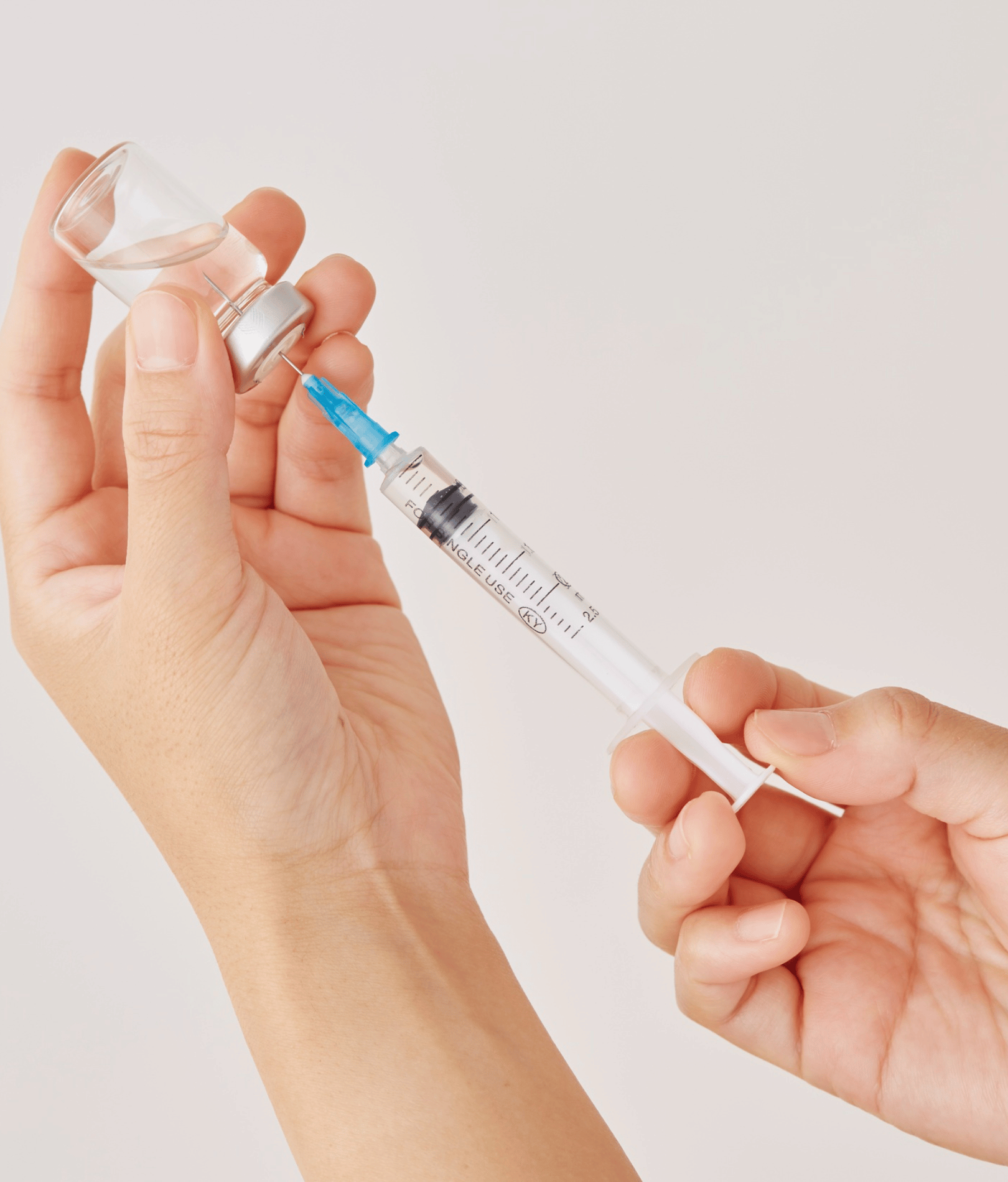
Temple Filler in Hongdae, Seoul, Korea
Temple Filler in Hongdae, Seoul, Korea is a non-surgical facial rejuvenation treatment that restores volume to hollow temples, improves facial balance, softens a gaunt appearance, and creates smoother transitions between the forehead, temples, and cheeks. Most temple fillers use hyaluronic acid or collagen-stimulating injectables to replace age-related volume loss while maintaining natural facial proportions. Dermatology clinics throughout Seoul provide customized temple filler treatments for international patients seeking subtle, natural-looking facial rejuvenation.
What Is Temple Filler?
Temple filler is an injectable treatment that restores volume to the temple region on both sides of the forehead.
It is commonly used for:
- Hollow temples
- Sunken temples
- Age-related facial volume loss
- Gaunt facial appearance
- Loss of facial balance
- Poor forehead-to-cheek transition
- Facial asymmetry
- Overall facial rejuvenation
Temple hollowing commonly develops with aging as facial fat and soft tissue gradually decrease.
How Temple Filler Works
Dermal filler is carefully placed within selected tissue planes to restore lost volume.
The treatment may help:
- Fill hollow temples
- Restore youthful facial contours
- Improve facial symmetry
- Create smoother facial transitions
- Support the outer brow area
- Reduce a gaunt appearance
Treatment should be conservative and individualized to maintain natural facial proportions.
Temple Filler for Hollow Temples
Temple hollowing is one of the earliest signs of facial aging.
Potential benefits include:
- Fuller temples
- Softer facial contours
- More youthful appearance
- Improved facial harmony
- Better balance between the forehead and cheeks
- Less skeletal appearance
Even small amounts of filler may significantly improve overall facial balance.
Temple Filler for Facial Rejuvenation
Restoring temple volume may indirectly improve overall facial appearance by:
- Creating smoother facial contours
- Supporting upper facial proportions
- Improving side-profile aesthetics
- Softening facial shadows
- Enhancing overall facial harmony
Temple filler is commonly included in comprehensive facial rejuvenation plans.
Types of Temple Fillers
Depending on your facial anatomy, the clinic may recommend:
- Hyaluronic acid filler
- Calcium hydroxylapatite filler
- Collagen-stimulating filler
- Structural volumizing filler
The choice of filler depends on the degree of temple hollowing, desired longevity, and physician preference.
Temple Filler vs Fat Grafting
Temple Filler
Often suitable for:
- Mild to moderate hollow temples
- Immediate improvement
- Minimal downtime
- Adjustable treatment
- Non-surgical rejuvenation
Fat Grafting
Often suitable for:
- Larger volume restoration
- Surgical facial rejuvenation
- Patients seeking potentially longer-lasting correction
- Broader facial fat transfer
Both options have advantages depending on the patient's goals.
Temple Filler vs Sculptra
Temple Filler
Often focuses on:
- Immediate volume restoration
- Precise contouring
- Predictable shaping
- Adjustable correction
Sculptra
Often focuses on:
- Gradual collagen stimulation
- Progressive improvement
- Diffuse volume restoration
- Long-term collagen remodeling
Some patients benefit from combining structural filler with collagen stimulation.
Combination Treatments
Temple filler may be combined with:
- Forehead filler
- Cheek filler
- Under-eye filler
- Chin filler
- Jawline filler
- Botox
- HIFU
- Ultherapy
- Thermage FLX
- Skin boosters
Treatment plans are individualized according to facial anatomy.
What Happens During Treatment?
Treatment generally includes:
- Facial assessment
- Temple volume evaluation
- Facial symmetry analysis
- Treatment planning
- Filler injections
- Post-treatment instructions
Most procedures take approximately 20–40 minutes.
Recovery After Temple Filler
Downtime is generally minimal.
Temporary effects may include:
- Mild swelling
- Redness
- Tenderness
- Bruising
- Temporary firmness
Most patients return to normal activities immediately.
Patients are generally advised to avoid heavy exercise, alcohol, facial massage, and excessive pressure over the temples for the first 24–48 hours.
Results Timeline
Temple volume improvement is usually visible immediately.
Final results are typically assessed after approximately 1–2 weeks, once swelling has resolved.
Potential improvements include:
- Fuller temples
- Better facial balance
- More youthful contours
- Softer facial appearance
How Long Does Temple Filler Last?
Most hyaluronic acid temple fillers last approximately 12–18 months, depending on:
- Filler product
- Injection depth
- Individual metabolism
- Lifestyle
- Treatment volume
Collagen-stimulating fillers may continue improving gradually over several months.
Estimated Temple Filler Cost in Seoul
Treatment costs vary depending on:
- Filler brand
- Number of syringes
- Degree of hollowing
- Product characteristics
- Combination treatments
- Clinic expertise
Most clinics provide customized pricing after consultation.
Who Is a Good Candidate?
Temple filler may be suitable for individuals who:
- Have hollow temples
- Have age-related facial volume loss
- Have a gaunt facial appearance
- Want improved facial balance
- Prefer non-surgical treatment
- Want immediate results
- Prefer minimal downtime
Temple filler should only be performed by experienced medical professionals because the temple contains important blood vessels and is considered an anatomically advanced injection area.
Potential Risks
Possible side effects and complications include:
- Swelling
- Bruising
- Tenderness
- Asymmetry
- Lumps
- Infection
- Vascular occlusion
- Skin injury
- Hair loss
- Rare visual complications
Because the temple contains important blood vessels connected to the eye, careful injection technique and thorough anatomical knowledge are essential.
Frequently Asked Questions
What is temple filler?
Temple filler is an injectable treatment that restores volume to hollow temples, improves facial balance, and creates smoother upper facial contours.
Does temple filler make you look younger?
Yes. Restoring temple volume may soften a gaunt appearance and improve overall facial harmony, creating a more youthful look.
Is temple filler safe?
Temple filler can be safe when performed by an experienced medical professional, but the temple is considered a high-risk anatomical area because of nearby blood vessels.
When will I see the final results?
Results are visible immediately, while final results are usually evaluated after one to two weeks once swelling resolves.
How long does temple filler last?
Most hyaluronic acid temple fillers last approximately twelve to eighteen months depending on the product and individual metabolism.
Can temple filler be dissolved?
Most hyaluronic acid temple fillers can be dissolved with hyaluronidase when medically necessary.
Is there downtime after temple filler?
Downtime is minimal. Mild swelling, bruising, tenderness, or redness may occur temporarily.
Can temple filler be combined with cheek filler?
Yes. Temple filler is commonly combined with cheek filler, forehead filler, and under-eye filler for balanced facial rejuvenation.
Is temple filler available for international patients in Seoul?
Yes. Dermatology clinics in Hongdae and Seoul provide customized temple filler consultations and treatments for international patients.