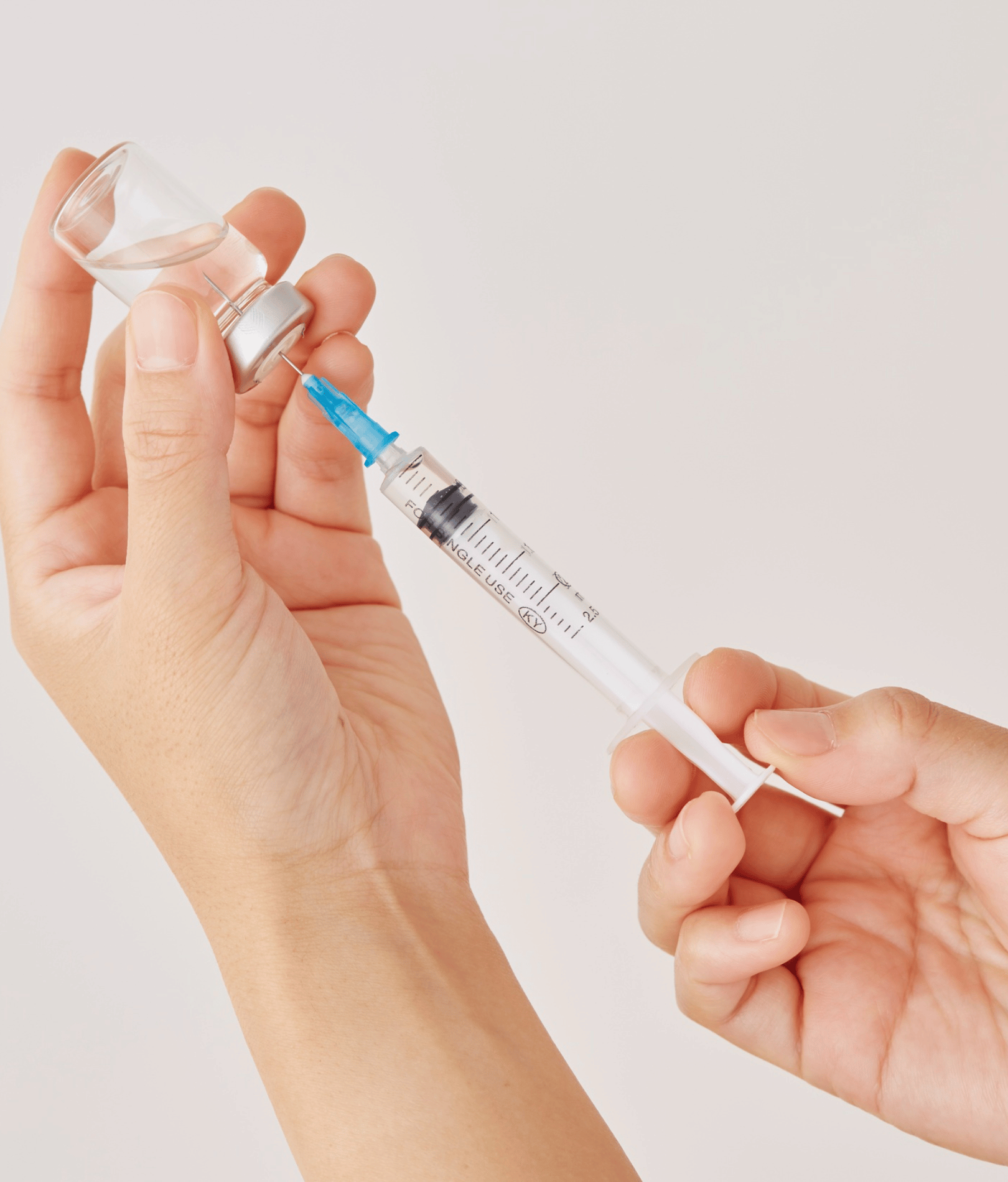
Exosome Rejuvenation in Hongdae, Seoul, Korea
Exosome Rejuvenation in Hongdae, Seoul, Korea is a regenerative skin treatment designed to support skin recovery, hydration, elasticity, texture, pore appearance, and overall rejuvenation. Exosome-based solutions are commonly applied after microneedling, RF microneedling, fractional laser, or other dermatology procedures to complement the skin’s natural repair response. Dermatology clinics throughout Seoul offer customized exosome rejuvenation programs for international patients concerned about dull skin, fine lines, enlarged pores, acne scars, redness, uneven texture, and post-procedure recovery.
What Is Exosome Rejuvenation?
Exosomes are microscopic extracellular vesicles released by cells.
They can contain biological signaling materials such as:
- Proteins
- Lipids
- Growth-related signaling molecules
- Peptides
- Messenger RNA
- Other cellular communication factors
In aesthetic dermatology, exosome-based products are generally used to support communication between cells involved in skin repair and remodeling.
Exosome rejuvenation is commonly considered for:
- Dull skin
- Fine lines
- Reduced elasticity
- Enlarged pores
- Rough skin texture
- Acne scars
- Uneven skin tone
- Redness
- Dehydrated skin
- Post-laser recovery
- Post-microneedling care
- Overall skin rejuvenation
The source, concentration, manufacturing process, purification, storage, and intended use of an exosome product can affect treatment quality.
How Exosome Rejuvenation Works
Exosome-based products are intended to deliver signaling materials that may support the skin’s natural repair response.
Depending on the product and treatment method, exosome rejuvenation may help support:
- Collagen remodeling
- Skin hydration
- Skin-barrier recovery
- Improved elasticity
- More even-looking texture
- Post-procedure healing
- Reduced visible redness
- Healthier-looking skin
Exosomes do not function like traditional dermal fillers and are not intended to add immediate structural facial volume.
Most visible changes, when achieved, develop gradually as the skin recovers and remodels.
What Makes Exosome Treatment Different?
Exosome rejuvenation is generally used as an adjunctive regenerative treatment rather than a stand-alone volumizing procedure.
Characteristics may include:
- Cell-signaling support
- No traditional filler gel
- Minimal facial-shape change
- Combination with controlled skin treatments
- Skin-quality focus
- Post-procedure recovery support
- Progressive rather than immediate results
Treatment protocols vary substantially between clinics because exosome products are not all manufactured or used in the same way.
Types of Exosome Products
The term “exosome treatment” can refer to products derived from different sources.
Depending on local regulations and clinic protocols, products may be associated with:
- Mesenchymal stem-cell cultures
- Adipose-derived cell cultures
- Umbilical-cord-derived cell cultures
- Platelet-derived materials
- Plant-derived vesicle products
- Laboratory-produced extracellular vesicle formulations
Patients should ask the clinic about:
- Product manufacturer
- Source material
- Sterility testing
- Storage conditions
- Recommended application method
- Regulatory status
- Whether the product is intended for topical or injectable use
The name “exosome” alone does not confirm the quality, concentration, purity, or clinical suitability of a product.
Exosome Rejuvenation for Skin Texture
Patients with rough or uneven skin texture may consider exosome treatment as part of a combination skin-remodeling program.
Potential benefits may include:
- Smoother-looking skin
- More refined texture
- Improved skin softness
- Better skin quality
- Healthier-looking complexion
Exosomes are often applied after microneedling or fractional treatment because these procedures create controlled channels or microscopic treatment zones in the skin.
Exosome Rejuvenation for Enlarged Pores
Exosome-based treatment may be included in programs for enlarged pores and reduced elasticity.
Treatment may support:
- More refined-looking pores
- Improved skin firmness
- Smoother texture
- Better hydration
- Improved overall skin clarity
Exosome therapy does not physically remove pores. Results depend on oil production, skin elasticity, acne history, genetics, and the accompanying procedure.
Exosome Rejuvenation for Fine Lines
Fine lines may become more visible as the skin loses hydration, collagen, and elasticity.
Exosome rejuvenation may be considered for:
- Fine cheek lines
- Early facial wrinkles
- Dryness-related lines
- Crepey texture
- General skin aging
Dynamic wrinkles caused by muscle movement may respond better to Botox, while deeper folds may require fillers, lifting procedures, or collagen stimulators.
Exosome Rejuvenation for Acne Scars
Exosome products are increasingly paired with acne-scar treatments that stimulate controlled collagen remodeling.
They may be combined with:
- Microneedling
- RF microneedling
- Fractional laser
- Pico fractional laser
- Subcision
- TCA CROSS
- Scar-focused injections
Potential goals include:
- Supporting post-procedure healing
- Improving skin texture
- Supporting collagen remodeling
- Reducing visible irritation
- Enhancing overall scar-treatment recovery
Exosomes alone are unlikely to fully correct deep ice-pick, boxcar, or rolling scars.
A customized combination plan is usually required for moderate or severe acne scarring.
Exosome Rejuvenation for Redness
Some patients choose exosome treatment after procedures that temporarily cause redness or skin sensitivity.
Potential benefits may include:
- Supporting skin-barrier recovery
- Improving post-treatment comfort
- Reducing visible dryness
- Supporting a calmer-looking complexion
- Improving overall skin resilience
Persistent vascular redness, rosacea, or inflammatory skin disease may require targeted medical or laser treatment.
Exosome Rejuvenation for Pigmentation
Exosome rejuvenation may be included in programs for uneven skin tone and post-inflammatory pigmentation.
Potential improvements may include:
- Brighter-looking skin
- More even-looking tone
- Reduced dullness
- Improved overall radiance
- Support for recovery after pigment treatment
Melasma, freckles, sun spots, and deep pigmentation require an accurate diagnosis.
Exosome treatment should not replace proven pigmentation management such as sunscreen, medical skincare, laser toning, tranexamic acid therapy, or other dermatologist-directed treatments.
Exosome Rejuvenation for Dry or Dehydrated Skin
Exosome treatments are often combined with hydrating products or recovery masks.
Potential benefits may include:
- Improved skin comfort
- Better moisture retention
- Softer skin texture
- Healthier-looking skin
- Improved post-procedure dryness
Patients whose main concern is hydration may also consider SKINVIVE, Profhilo, Rejuran HB, or hyaluronic acid skin boosters.
Exosome Treatment After Microneedling
Microneedling creates controlled microchannels in the skin.
An exosome-based topical solution may then be applied according to the clinic’s protocol.
The combination may target:
- Enlarged pores
- Rough texture
- Fine lines
- Mild acne scars
- Dull skin
- Reduced elasticity
Temporary redness and sensitivity are expected after microneedling, regardless of whether exosomes are applied.
Exosome Treatment After RF Microneedling
RF microneedling combines needle penetration with radiofrequency energy to stimulate dermal remodeling.
Exosome products may be used after treatment to support:
- Skin recovery
- Collagen-remodeling programs
- Acne-scar treatment
- Pore improvement
- Skin-texture care
RF microneedling requires careful device settings because aggressive treatment may cause burns, scarring, prolonged pigmentation, or unwanted fat loss.
The procedure should be performed by an appropriately trained medical professional.
Exosome Treatment After Fractional Laser
Fractional lasers create microscopic treatment zones that stimulate skin renewal.
Exosome-based topical care may be incorporated to support:
- Post-laser recovery
- Skin-barrier restoration
- Texture improvement
- Acne-scar treatment
- General rejuvenation
Recovery depends primarily on the type and intensity of the laser performed.
Exosome application does not eliminate the expected downtime or risks of fractional laser treatment.
Exosome Facial
An exosome facial may refer to a lower-intensity treatment that combines an exosome-based product with:
- Gentle microneedling
- Electroporation
- Ultrasound infusion
- Medical facial care
- LED therapy
- Hydrating masks
- Soothing skincare
A topical facial generally differs from deeper microneedling, laser-assisted delivery, or injection-based procedures.
Patients should ask exactly how the product will be used.
Exosome Injection vs Topical Exosome Treatment
Topical Exosome Treatment
Often involves:
- Application after microneedling
- Application after fractional laser
- Medical facial infusion
- Post-procedure recovery care
- Minimal injection-related risk
Exosome Injection
May involve:
- Direct delivery beneath the skin
- Greater procedural invasiveness
- Injection-related swelling and bruising
- Additional sterility and regulatory considerations
- Different safety considerations from topical application
Patients should confirm whether the product is specifically manufactured and permitted for the proposed method of administration.
A product intended for topical use should not automatically be assumed suitable for injection.
Benefits of Exosome Rejuvenation
Potential benefits may include:
- Improved skin texture
- Better hydration
- Improved elasticity
- Smoother-looking pores
- Support for collagen remodeling
- Post-procedure recovery support
- Healthier-looking skin
- Improved radiance
- Compatibility with microneedling and laser treatments
- Minimal facial volume change
Results vary according to:
- Product quality
- Product source
- Application method
- Accompanying procedure
- Skin condition
- Treatment intensity
- Number of sessions
- Individual healing response
Exosome treatment should not be presented as a guaranteed cure or permanent rejuvenation method.
Exosome Rejuvenation vs PRP
Exosome Rejuvenation
Often focuses on:
- Laboratory-prepared extracellular vesicle products
- Cell-signaling support
- Application after lasers or microneedling
- Skin recovery
- Texture and elasticity programs
PRP Rejuvenation
Often focuses on:
- Platelet-rich plasma from the patient’s own blood
- Patient-derived growth factors
- Collagen support
- Injection or microneedling
- Natural regenerative treatment
PRP is autologous, while exosome products are typically manufactured from external biological or laboratory sources.
Exosome Rejuvenation vs Rejuran Healer
Exosome Rejuvenation
Focuses on:
- Extracellular vesicle signaling
- Post-procedure recovery
- Texture and elasticity
- Combination with microneedling or laser
Rejuran Healer
Focuses on:
- Polynucleotide-based skin regeneration
- Skin-barrier support
- Enlarged pores
- Elasticity
- Overall skin quality
The products contain different active components and should not be considered interchangeable.
Exosome Rejuvenation vs Juvelook
Exosome Rejuvenation
Often used for:
- Recovery support
- Skin signaling
- Post-procedure care
- Overall rejuvenation
Juvelook
Often used for:
- PDLLA collagen stimulation
- Enlarged pores
- Shallow acne scars
- Fine lines
- Progressive texture improvement
Juvelook is an injectable collagen biostimulator, while exosome treatment is commonly used topically with another skin procedure.
Exosome Rejuvenation vs SKINVIVE
Exosome Rejuvenation
Focuses on:
- Regenerative signaling
- Skin recovery
- Texture
- Elasticity support
- Combination procedures
SKINVIVE
Focuses on:
- Hyaluronic acid microdroplets
- Cheek skin smoothness
- Hydration
- Moisture retention
- Healthy glow
SKINVIVE is a standardized injectable hyaluronic acid product, while exosome formulations and protocols vary more widely.
Exosome Rejuvenation vs Stem-Cell Therapy
Exosomes are not living stem cells.
Exosomes
Are generally described as:
- Extracellular vesicles
- Cell-signaling carriers
- Non-living biological particles
- Products derived from cell-culture processes
Stem Cells
Are:
- Living cells
- Capable of cellular activity
- Used in highly regulated medical and research contexts
- Different from exosome-based cosmetic products
Marketing terms such as “stem-cell facial” may sometimes refer to growth-factor products, conditioned media, or exosome-based topical products rather than actual stem-cell administration.
Patients should request accurate product information.
Combination Treatments with Exosomes
Exosome rejuvenation may be combined with:
- Microneedling
- RF microneedling
- Fractional laser
- Pico fractional laser
- Laser toning
- Rejuran
- Juvelook
- PRP
- LDM treatment
- LED therapy
- Hydrating facials
- Medical skincare
- Chemical peels after appropriate recovery
Combination treatments should be planned carefully to avoid excessive irritation.
What Happens During Exosome Rejuvenation?
Consultation
Patients typically receive:
- Skin analysis
- Medical-history review
- Skin-sensitivity assessment
- Acne-scar evaluation
- Pigmentation assessment
- Treatment-method recommendation
- Product and protocol explanation
Skin Preparation
Depending on the treatment, preparation may involve:
- Skin cleansing
- Topical numbing cream
- Antiseptic preparation
- Protective eyewear
- Procedure-specific preparation
Treatment
Exosome treatment may involve:
- Microneedling followed by topical application
- RF microneedling followed by topical application
- Fractional laser followed by recovery application
- Electroporation or infusion
- Medical facial application
- Injection when medically and legally appropriate
Treatment time generally ranges from approximately 30–90 minutes depending on the accompanying procedure.
Recovery After Exosome Rejuvenation
Downtime depends more on the delivery procedure than on the exosome product itself.
Temporary effects may include:
- Redness
- Warmth
- Swelling
- Dryness
- Tightness
- Mild peeling
- Pinpoint bleeding
- Temporary sensitivity
- Small injection marks if injected
- Minor bruising
A gentle cleanser, moisturizer, and broad-spectrum sunscreen are commonly recommended after treatment.
Patients should avoid strong exfoliants, retinoids, saunas, intense exercise, and excessive sun exposure according to the clinic’s instructions.
Results Timeline
Early Changes
Patients may notice:
- Better hydration
- Reduced dryness
- Fresher-looking skin
- Improved radiance
- Calmer-looking skin after recovery
Progressive Changes
Over several weeks, patients may notice:
- Smoother texture
- Better elasticity
- More refined-looking pores
- Improved skin quality
- Gradual acne-scar improvement when combined with scar treatment
Visible results depend heavily on the accompanying procedure and individual healing response.
How Many Exosome Sessions Are Recommended?
The recommended number of sessions depends on:
- Skin concern
- Product used
- Treatment method
- Acne-scar severity
- Laser or microneedling intensity
- Skin sensitivity
- Individual response
Some patients receive a single treatment after a laser procedure, while others undergo a series of approximately three sessions spaced several weeks apart.
Maintenance treatment may be considered based on the patient’s goals.
How Long Do Exosome Results Last?
Exosome rejuvenation does not create permanent results.
Longevity may depend on:
- Treatment protocol
- Accompanying procedure
- Product quality
- Age
- Skin condition
- Sun exposure
- Smoking
- Skincare routine
- Number of sessions
- Individual collagen response
Continued aging, UV exposure, and lifestyle factors may gradually reduce visible improvements.
Estimated Exosome Rejuvenation Cost in Seoul
Treatment costs vary depending on:
- Exosome product used
- Product source and manufacturer
- Treatment area
- Microneedling or laser procedure
- Number of sessions
- Combination treatments
- Clinic expertise
- Aftercare program
Exosome application performed after a medical procedure is generally priced differently from a stand-alone exosome facial.
Most clinics provide customized pricing after consultation.
Safety and Product Quality
Exosome products are not all equivalent.
Patients should ask about:
- Product manufacturer
- Biological source
- Sterility controls
- Quality testing
- Storage requirements
- Batch traceability
- Intended application method
- Regulatory status
- Clinic experience
Potential safety concerns may include:
- Infection
- Inflammation
- Allergic or immune reaction
- Prolonged redness
- Pigmentation changes
- Contamination
- Injection-related complications
- Complications from the accompanying laser or microneedling procedure
The U.S. FDA states that there are currently no FDA-approved exosome products. Availability and regulation differ by country, so patients should confirm the legal status and approved use of the exact product offered.
Who Is a Good Candidate?
Exosome rejuvenation may be considered by individuals who:
- Have dull skin
- Have rough texture
- Have enlarged pores
- Have fine lines
- Have mild acne scars
- Want post-procedure recovery support
- Want gradual skin rejuvenation
- Prefer minimal facial volume change
- Are suitable for microneedling or laser treatment
A medical provider should determine suitability after assessing the patient’s skin and health history.
Who May Need to Delay Treatment?
Treatment may need to be delayed or avoided for patients with:
- Active skin infection
- Open wounds
- Active cold sores
- Severe inflammatory acne
- Uncontrolled eczema or dermatitis
- Certain autoimmune conditions
- Significant immune suppression
- Blood-clotting disorders
- Known allergy to product components
- Pregnancy or breastfeeding
- Recent incompatible aesthetic procedures
Patients should disclose medications, supplements, allergies, and medical conditions before treatment.
Why Exosome Rejuvenation Is Popular in Seoul
Exosome rejuvenation has gained attention in Seoul because it can be incorporated into advanced Korean laser, microneedling, acne-scar, and skin-recovery programs.
Potential advantages include:
- Compatibility with multiple dermatology procedures
- Skin-quality focus
- Minimal facial-shape change
- Recovery-oriented protocols
- Customizable treatment plans
- Acne-scar and pore-care combinations
- International patient support
- Access to Korean regenerative skincare technologies
Many international patients visit Hongdae and Seoul for exosome rejuvenation as part of broader programs targeting skin texture, pores, acne scars, elasticity, and post-procedure recovery.
Frequently Asked Questions
What is exosome rejuvenation?
Exosome rejuvenation is a skin-quality treatment that uses extracellular-vesicle-based products to support cellular communication, skin recovery, hydration, elasticity, and collagen-remodeling programs.
Are exosomes the same as stem cells?
No. Exosomes are non-living extracellular vesicles released by cells, while stem cells are living cells. Exosome-based cosmetic products do not contain functioning stem cells.
Is exosome treatment FDA approved?
No exosome products are currently FDA-approved in the United States. Regulations and permitted uses vary by country, so patients should ask about the exact product offered and its local regulatory status.
Are exosomes injected into the skin?
Some clinics apply exosome-based products topically after microneedling or laser treatment. Other protocols may involve injection, but patients should confirm that the exact product is manufactured and permitted for injectable use.
Does exosome treatment help acne scars?
Exosome therapy may support healing and collagen remodeling when combined with microneedling, RF microneedling, fractional laser, subcision, or other acne-scar treatments. It is not usually sufficient as the only treatment for deep scars.
Does exosome treatment improve enlarged pores?
Exosome rejuvenation may support improvements in skin texture, elasticity, and pore appearance, particularly when paired with microneedling or laser treatment.
Is exosome rejuvenation painful?
Topical application alone is generally comfortable. Discomfort usually comes from the accompanying microneedling, laser, RF, or injection procedure. Numbing cream may be used.
Is there downtime after exosome treatment?
Downtime depends on the delivery procedure. Mild redness and sensitivity may occur after a facial, while fractional laser or RF microneedling may require several days of recovery.
How many exosome treatments are needed?
Some patients receive one exosome treatment after a laser procedure, while others undergo approximately three sessions spaced several weeks apart. The recommended plan depends on the skin concern and treatment method.
Can exosomes be combined with Rejuran?
Exosome treatment may be combined or alternated with Rejuran, but the timing should be determined by a medical provider to avoid unnecessary inflammation or overlapping recovery.
Can exosomes be combined with PRP?
Yes. Some regenerative treatment plans may incorporate PRP and exosome-based products, although the benefits, cost, and necessity of combining them should be assessed individually.
Is exosome rejuvenation available for international patients in Seoul?
Yes. Dermatology clinics in Hongdae and Seoul may provide exosome-based facials, post-laser care, microneedling combinations, and customized rejuvenation programs for international patients.