Keloid Treatment in Hongdae, Seoul, Korea
Keloid Treatment in Hongdae, Seoul, Korea provides specialized medical care for raised scars that continue growing beyond the original wound. Depending on the size, location, symptoms, and previous treatments, dermatologists may recommend corticosteroid injections, cryotherapy, laser therapy, silicone gel or silicone sheets, pressure therapy, surgery, or combination treatments to flatten the scar, relieve itching or pain, and reduce the risk of recurrence. Dermatology clinics throughout Seoul provide personalized keloid treatment plans for both Korean and international patients. Because keloids have a high recurrence rate, combination therapy is generally more effective than a single treatment alone.
What Is a Keloid?
A keloid is a raised scar that grows beyond the boundaries of the original skin injury.
Unlike normal scars, keloids may continue enlarging over months or even years after the wound has healed.
They commonly develop after:
- Piercings
- Surgery
- Acne
- Burns
- Cuts
- Vaccinations
- Tattoos
- Minor skin injuries
Keloids may become:
- Raised
- Firm
- Red or dark
- Itchy
- Painful
- Tender
They do not turn into cancer, but they usually do not disappear without treatment.
How Keloid Treatment Works
Treatment depends on the size, location, and severity of the scar.
Your dermatologist may recommend:
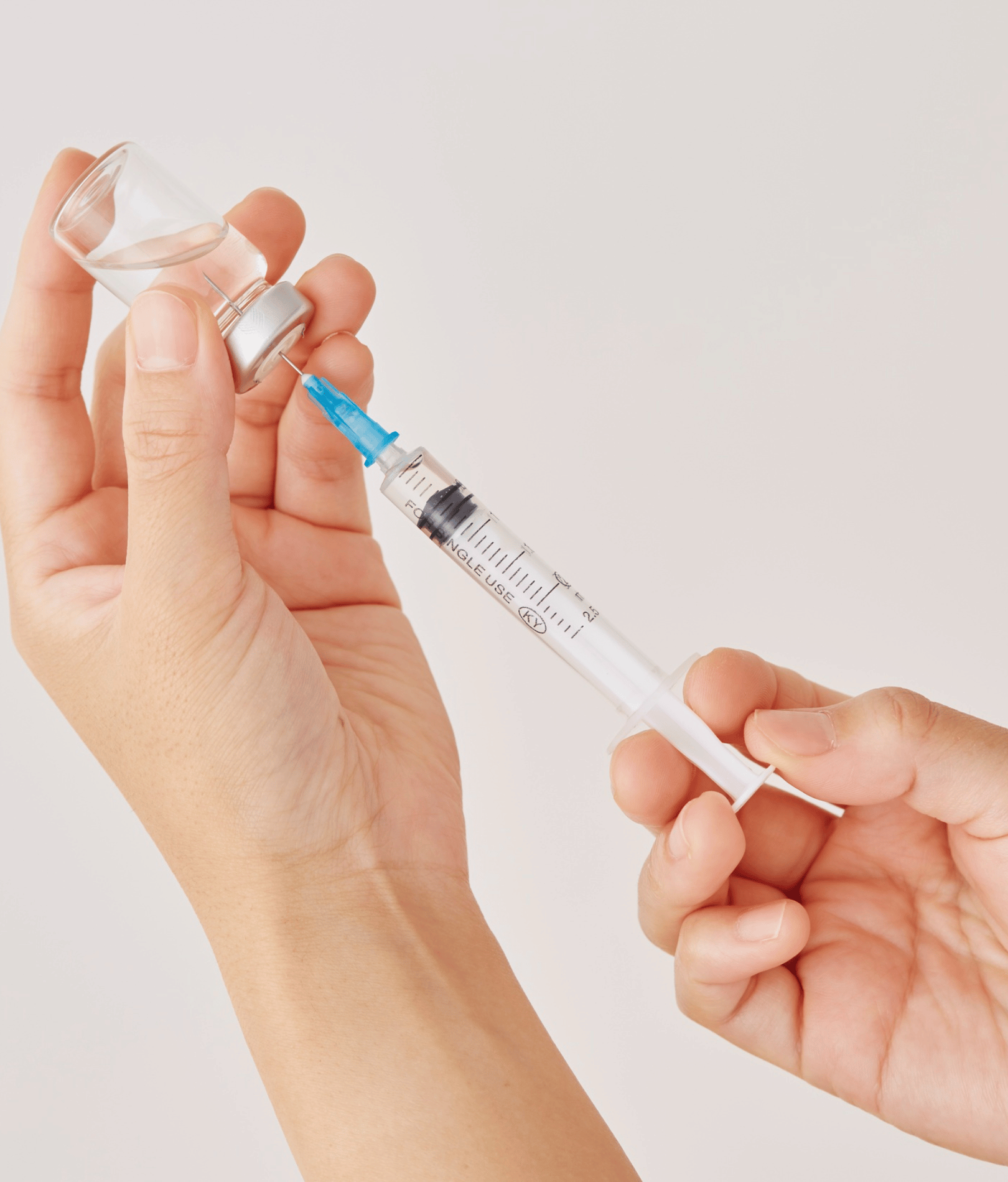
- Corticosteroid injections
- Cryotherapy
- Pulsed Dye Laser (PDL)
- Fractional Laser
- Silicone Gel
- Silicone Sheets
- Pressure Therapy
- Surgical Removal
- Radiation therapy (selected postoperative cases)
- 5-Fluorouracil (5-FU) injections (selected cases)
Treatment may help:
- Flatten the scar
- Soften scar tissue
- Reduce itching
- Reduce pain
- Improve color
- Prevent further growth
- Lower recurrence risk
Most patients require a combination of treatments because keloids can recur after therapy.
Common Areas Treated
Keloids commonly develop on:
- Earlobes
- Chest
- Shoulders
- Upper back
- Jawline
- Neck
- Arms
Benefits of Keloid Treatment
Potential benefits include:
- Flatter scars
- Softer scar tissue
- Reduced itching
- Reduced discomfort
- Better cosmetic appearance
- Improved confidence
- Lower recurrence risk with combination therapy
Keloid vs Hypertrophic Scar
Keloid
Typically:
- Grows beyond the original wound
- Continues enlarging
- Higher recurrence rate
- Often requires multiple treatments
Hypertrophic Scar
Typically:
- Remains within the original wound
- May gradually flatten over time
- Lower recurrence rate
- Often responds more easily to treatment
Correct diagnosis is important because treatment strategies differ.
Combination Treatments
Keloid treatment may be combined with:
- Steroid injections
- Cryotherapy
- Pulsed Dye Laser
- Silicone sheets
- Pressure earrings (ear keloids)
- Surgical excision
- Postoperative radiation (selected patients)
What Happens During Treatment?
Treatment generally includes:
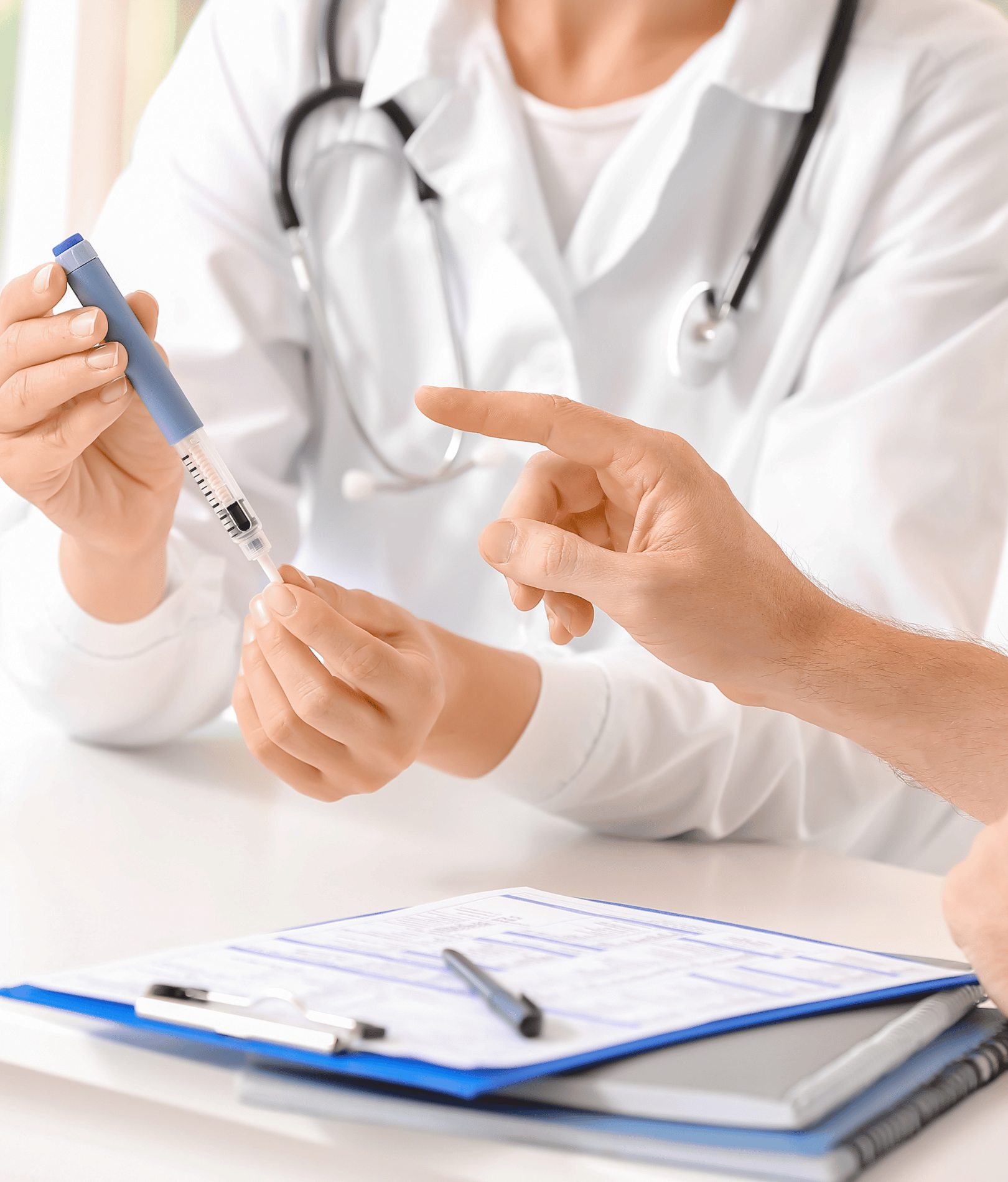
- Dermatology consultation
- Scar examination
- Medical history review
- Individualized treatment planning
- In-office procedure
- Home scar care instructions
Most appointments take approximately 20–45 minutes, depending on the treatment performed.
Recovery After Treatment
Recovery depends on the procedure.
Temporary effects may include:
- Mild redness
- Swelling
- Tenderness
- Bruising after injections
Most patients return to normal activities immediately or within one day.
Results Timeline
Improvement develops gradually.
Many patients begin noticing softening after the first few steroid injections, while significant flattening often requires 3–6 treatment sessions or more.
Larger or older keloids may require treatment over several months. Even after successful treatment, maintenance or follow-up may be necessary because recurrence is common.
How Long Do Results Last?
Results vary depending on the size of the keloid, treatment method, and individual healing response.
Even after successful treatment, keloids can recur. Combination therapy and appropriate follow-up significantly reduce recurrence compared with surgery alone.
Estimated Cost in Seoul
Treatment costs vary depending on:
- Keloid size
- Number of scars
- Treatment method
- Number of sessions
- Combination therapies
A personalized treatment plan is provided after consultation.
Who Is a Good Candidate?
Keloid treatment may be suitable for individuals who:
- Have raised scars
- Experience itching or pain
- Have enlarging scars
- Have ear piercing keloids
- Want cosmetic improvement
- Want non-surgical or combination treatment
Frequently Asked Questions
Can keloids be completely removed?
No treatment can guarantee complete removal or permanently prevent recurrence. The goal is to flatten the scar, reduce symptoms, improve appearance, and minimize the chance that it will return.
What is the best treatment for keloids?
There is no single best treatment. Dermatologists commonly combine corticosteroid injections with cryotherapy, laser therapy, silicone therapy, or surgery depending on the individual scar.
How many treatments will I need?
Many patients require 3–6 treatment sessions, although larger or recurrent keloids may require longer treatment.
Can a keloid come back after treatment?
Yes. Keloids have a relatively high recurrence rate. Combination treatment and regular follow-up help lower the chance of recurrence.
Is there downtime?
Most injection and laser treatments involve little or no downtime. Temporary redness, swelling, or tenderness usually resolves within several days.
Is surgery alone recommended for keloids?
Usually not. Surgery alone has a high recurrence rate. Dermatologists often combine surgery with steroid injections, silicone therapy, pressure therapy, or postoperative radiation in carefully selected patients.
Is Keloid Treatment available for international patients in Seoul?
Yes. Dermatology clinics in Hongdae and throughout Seoul provide customized keloid consultations and long-term treatment programs for international patients.