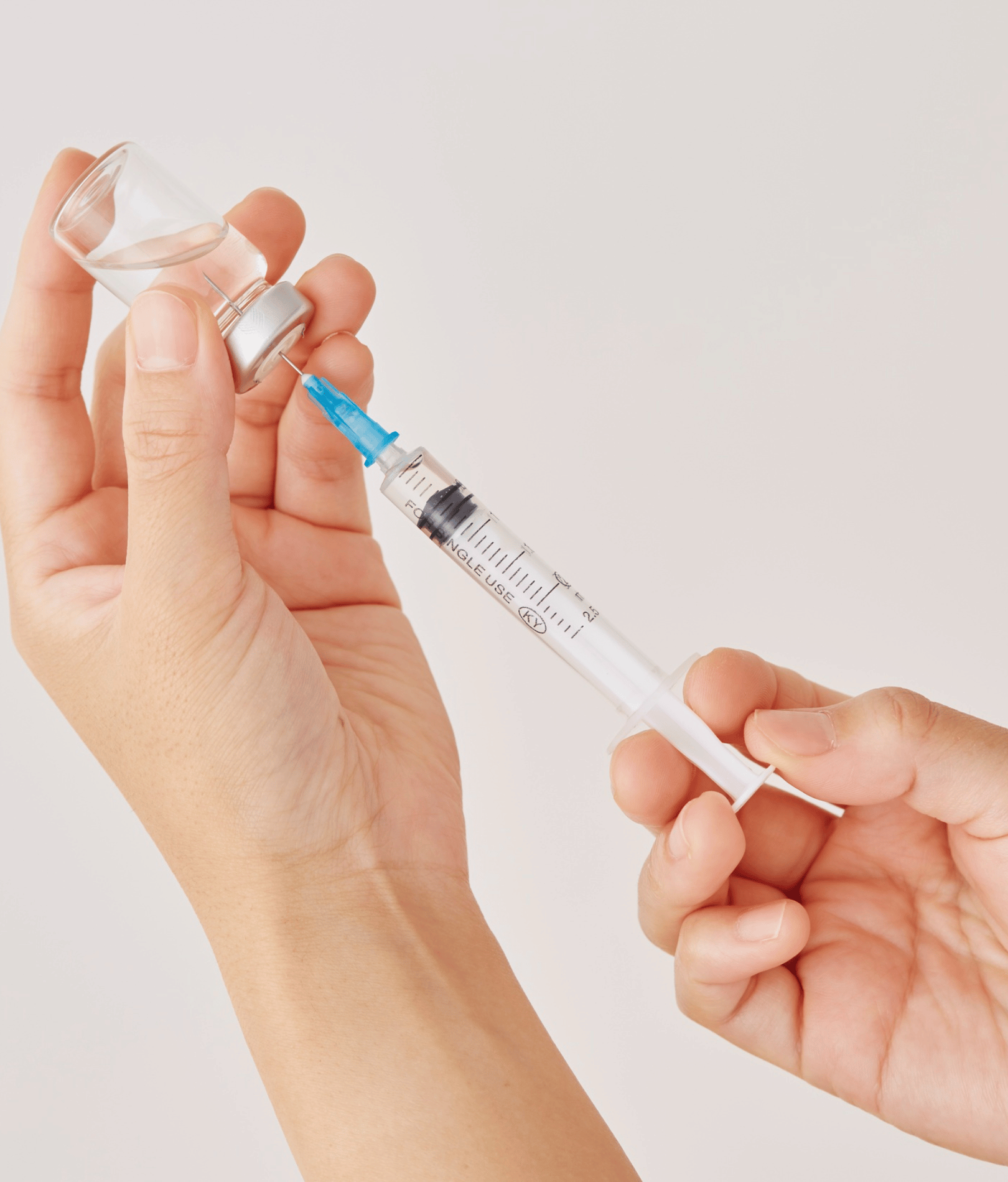
Elbow Pain Treatment
in Hongdae, Seoul, Korea
Elbow pain is a common orthopedic condition that may result from overuse injuries, tendon disorders, sports injuries, arthritis, nerve compression, ligament injuries, or trauma. Common causes include tennis elbow (lateral epicondylitis), golfer's elbow (medial epicondylitis), elbow tendonitis, bursitis, cubital tunnel syndrome, and joint degeneration. Symptoms can range from mild discomfort to severe pain, weakness, stiffness, numbness, and reduced arm function. Early diagnosis is important to prevent chronic pain and restore mobility. In Hongdae and Seoul, Korea, orthopedic specialists provide advanced diagnostic imaging, rehabilitation programs, sports medicine care, minimally invasive treatments, and personalized treatment plans for international patients seeking elbow pain relief.
Understanding Elbow Pain
The elbow is a complex joint connecting the upper arm and forearm.
It plays a critical role in:
- Lifting
- Carrying
- Throwing
- Gripping
- Pushing
- Pulling
Because the elbow is used frequently throughout daily activities, repetitive stress and injuries can easily lead to pain and dysfunction.
High-Volume Elbow Pain Search Topics
Many patients search for:
- Elbow pain
- Tennis elbow
- Golfer's elbow
- Elbow tendonitis
- Elbow bursitis
- Elbow arthritis
- Elbow joint pain
- Arm pain near elbow
- Elbow injury
- Cubital tunnel syndrome
- Ulnar nerve entrapment
- Elbow specialist Seoul
- Sports injury treatment Korea
- Orthopedic clinic Hongdae
- Physical therapy Seoul
- Elbow rehabilitation
Common Symptoms of Elbow Pain
Symptoms vary depending on the cause and severity.
Common symptoms include:
- Pain around the elbow joint
- Pain when gripping objects
- Weak grip strength
- Elbow stiffness
- Swelling
- Tenderness
- Difficulty lifting items
- Clicking or popping sensations
- Tingling in fingers
- Numbness in the hand
- Reduced range of motion
Symptoms may gradually worsen if left untreated.
Causes of Elbow Pain
Tennis Elbow (Lateral Epicondylitis)
Tennis elbow is one of the most common causes of elbow pain.
It occurs when tendons attached to the outer elbow become irritated from repetitive activity.
Common risk factors include:
- Tennis
- Racquet sports
- Weightlifting
- Construction work
- Computer use
- Repetitive gripping
Golfer's Elbow (Medial Epicondylitis)
Golfer's elbow affects tendons on the inner side of the elbow.
Symptoms often include:
- Inner elbow pain
- Forearm soreness
- Weak grip strength
- Pain during wrist movements
Elbow Tendonitis
Tendon inflammation may result from:
- Overuse
- Repetitive motions
- Sports participation
- Occupational strain
Pain often increases with activity.
Elbow Bursitis
Bursitis occurs when the bursa becomes inflamed.
Symptoms may include:
- Visible swelling
- Tenderness
- Warmth around the elbow
- Discomfort when leaning on the elbow
Cubital Tunnel Syndrome
Cubital tunnel syndrome develops when the ulnar nerve becomes compressed near the elbow.
Symptoms may include:
- Tingling in the ring finger
- Tingling in the little finger
- Numbness
- Hand weakness
- Reduced grip strength
Arthritis of the Elbow
Elbow arthritis may develop because of:
- Aging
- Previous injuries
- Inflammatory joint disease
- Joint degeneration
Symptoms commonly include pain and stiffness.
Sports Injuries
Athletes may experience:
- Ligament injuries
- Tendon tears
- Joint instability
- Cartilage injuries
Sports medicine evaluation may be beneficial.
Fractures and Trauma
Falls and accidents can cause:
- Elbow fractures
- Joint dislocations
- Ligament damage
- Soft tissue injuries
Prompt medical assessment is important.
Tennis Elbow vs Golfer's Elbow
Tennis Elbow
- Pain on outer elbow
- Common in racquet sports
- Associated with repetitive gripping
Golfer's Elbow
- Pain on inner elbow
- Often linked to repetitive wrist flexion
- Common in golfers and manual workers
Professional evaluation can distinguish between these conditions.
Elbow Pain and Nerve Compression
Nerve-related elbow problems may cause:
- Tingling
- Numbness
- Weakness
- Reduced hand function
Persistent neurological symptoms should be evaluated promptly.
Elbow Pain and Sports Performance
Elbow pain may affect:
- Throwing ability
- Grip strength
- Weightlifting performance
- Racquet sports
- Golf swings
- Daily arm function
Early intervention may help athletes return to activity more safely.
When Should You See an Orthopedic Specialist?
Professional evaluation is recommended if you experience:
- Persistent elbow pain
- Weakness
- Swelling
- Numbness
- Tingling
- Difficulty lifting objects
- Sports-related injuries
- Reduced arm function
Early diagnosis may improve recovery outcomes.
How Is Elbow Pain Diagnosed?
Medical History
Specialists review:
- Symptoms
- Activity patterns
- Sports participation
- Work-related strain
- Previous injuries
Physical Examination
Assessment may include:
- Joint evaluation
- Strength testing
- Tendon assessment
- Nerve examination
- Range of motion testing
X-Rays
X-rays may identify:
- Arthritis
- Fractures
- Bone abnormalities
- Joint degeneration
MRI
MRI imaging provides detailed views of:
- Tendons
- Ligaments
- Muscles
- Cartilage
- Soft tissue injuries
Ultrasound
Ultrasound may evaluate:
- Tendon inflammation
- Bursitis
- Dynamic movement problems
Nerve Testing
Additional testing may be recommended when nerve compression is suspected.
Treatment Options for Elbow Pain in Seoul
Treatment depends on the specific diagnosis.
Potential treatment options include:
- Physical therapy
- Activity modification
- Sports medicine rehabilitation
- Pain management
- Bracing
- Anti-inflammatory treatment
- Therapeutic exercises
- Injection therapies
- Minimally invasive procedures
- Surgical consultation when necessary
Treatment plans are individualized.
Physical Therapy and Rehabilitation
Rehabilitation programs may help improve:
- Strength
- Mobility
- Flexibility
- Joint stability
- Functional movement
Physical therapy is often an important component of recovery.
Can Elbow Pain Improve Without Surgery?
Many elbow conditions respond well to conservative treatment.
Non-surgical management may include:
- Exercise programs
- Rehabilitation
- Bracing
- Activity modification
- Ergonomic changes
- Pain management strategies
Surgery is typically reserved for severe structural damage or persistent symptoms.
Preventing Elbow Pain
Healthy habits include:
- Proper exercise technique
- Gradual training progression
- Workplace ergonomic improvements
- Strength training
- Stretching programs
- Early treatment of minor injuries
Prevention supports long-term joint function.
Why International Patients Choose Korea
for Elbow Pain Care
Korea is recognized for:
- Advanced orthopedic diagnostics
- Sports medicine expertise
- Modern imaging technology
- Experienced orthopedic specialists
- Comprehensive rehabilitation services
- Minimally invasive treatment options
- International patient support
- High standards of medical care
Many international patients seek elbow pain treatment while visiting Seoul.
Who Should Seek Evaluation for Elbow Pain?
You may benefit from an orthopedic consultation if you experience:
- Tennis elbow symptoms
- Golfer's elbow symptoms
- Chronic elbow pain
- Elbow tendonitis
- Nerve-related symptoms
- Sports injuries
- Weak grip strength
- Reduced arm function
Professional assessment helps determine the most appropriate treatment plan.
Frequently Asked Questions
What causes elbow pain?
Elbow pain may be caused by tennis elbow, golfer's elbow, tendonitis, bursitis, arthritis, nerve compression, ligament injuries,
repetitive strain, or trauma.
What is tennis elbow?
Tennis elbow is an overuse injury affecting tendons on the outside of the elbow, commonly caused by repetitive gripping activities.
What is golfer's elbow?
Golfer's elbow affects tendons on the inner side of the elbow and is often associated with repetitive wrist movements.
Can elbow pain cause weakness?
Yes. Many elbow conditions may reduce grip strength and arm function.
What is cubital tunnel syndrome?
Cubital tunnel syndrome occurs when the ulnar nerve becomes compressed near the elbow, causing numbness, tingling, and weakness.
How is elbow pain diagnosed?
Diagnosis typically involves medical history review, physical examination, X-rays, MRI imaging, ultrasound, and nerve testing when necessary.
Can elbow pain improve without surgery?
Many elbow conditions improve through physical therapy, rehabilitation, bracing, activity modification,
and other non-surgical treatments.
Is physical therapy effective for elbow pain?
Yes. Physical therapy may improve strength, flexibility, mobility, and recovery.
Can sports cause elbow injuries?
Yes. Sports involving throwing, gripping, racquets, golf clubs, or repetitive arm motions may increase injury risk.
Why do international patients seek orthopedic care in Seoul?
Seoul offers advanced diagnostics, experienced specialists, modern rehabilitation programs, and comprehensive orthopedic care.
How much does elbow pain treatment cost in Seoul?
Costs vary depending on consultations, imaging studies, rehabilitation programs, injections, and treatment complexity.
Is Hongdae convenient for international patients?
Yes. Hongdae is centrally located and provides access to orthopedic clinics, rehabilitation facilities, hospitals,
and international healthcare services.